Congressional Action Intensifies Against ALPR Surveillance
Two bills introduced in Congress over the past three days highlight a growing bipartisan backlash against artificial intelligence-powered automatic license plate recognition (ALPR) systems, with lawmakers from both parties expressing alarm over privacy risks and potential for abuse. The legislation comes as Flock Safety and other ALPR providers face increasing scrutiny over their expanding surveillance networks and data practices.
Hawley Introduces Stop Flock Abuse Act
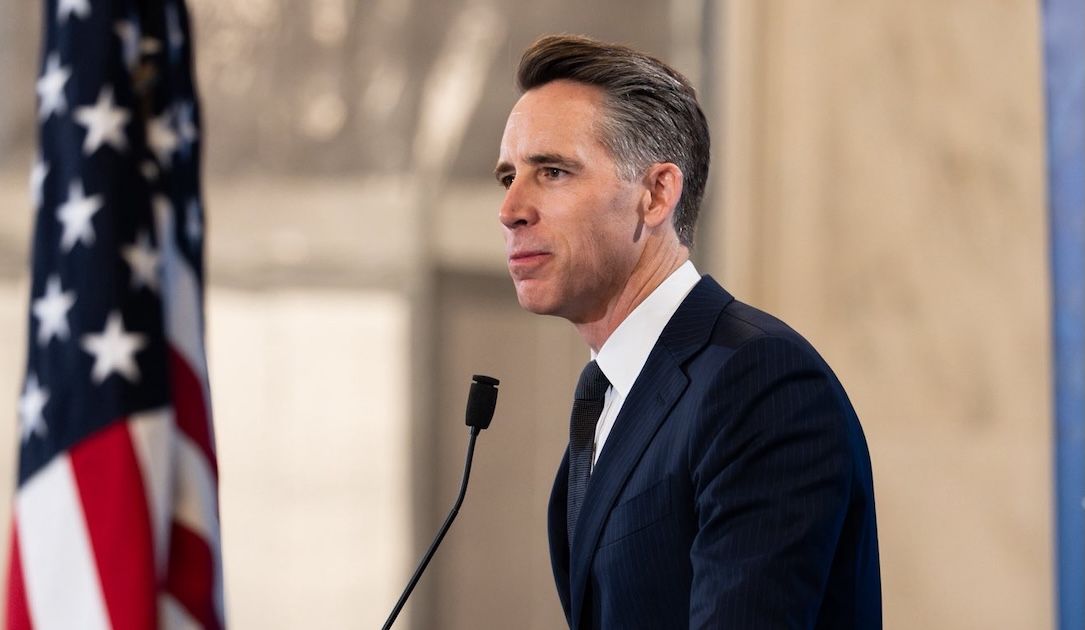
On Wednesday, Sen. Josh Hawley (R-MO) introduced the Stop Flock Abuse Act, aiming to strengthen safeguards for AI-enabled ALPR cameras and protect constitutional rights. The bill would prohibit ALPR companies and local governments from selling or sharing data with nongovernmental third parties, shield driver data from public records requests, and block third-party vendor access. It also mandates a written approval process for officers before using ALPR systems, requires routine supervisor audits to monitor for misuse, enforces data encryption, and limits data retention to 10 days — down from the current 30-day maximum allowed by Flock in many jurisdictions. Additionally, the bill would prevent ALPR cameras from being equipped with facial recognition technology.
Sanders, Merkley, and Ocasio-Cortez Push for Federal Ban
On Friday, Sens. Bernie Sanders (D-VT) and Jeff Merkley (D-OR), joined by Rep. Alexandria Ocasio-Cortez (D-NY), introduced a broader bill that would prohibit the federal government from using ALPR cameras and deny federal funding to states that deploy them. The legislation would allow individuals to sue the federal government if their rights are violated by ALPR deployment. It applies to all ALPR providers, including Motorola and Axon, not just Flock.
In a statement, Sanders warned: "Going to the doctor? Flock knows. Dropping your kid off at school? Flock is tracking you. Flock is always watching. We cannot allow America to become a surveillance state where a handful of AI oligarchs profit by giving the government the power to track our every movement."
Concerns Over Mass Surveillance and Misidentification
Privacy and civil liberties advocates have long warned that ALPR systems enable pervasive tracking, with cameras linked into searchable networks powered by AI. Hawley emphasized this during a recent hearing, stating: "What seems to make these networks unique is not just the sheer number of cameras; it's the fact that they're all linked together, empowered and searchable by AI." He reiterated that constitutional protections like the presumption of innocence and right to privacy remain vital today.
Grassroots campaigns in both red and blue states have raised alarms about misuse, including officers using ALPR data for stalking and wrongful arrests based on vehicle similarities. A notable case involves Lindsey Isaacs of Florida, who was jailed for 13 days — including over three days in solitary confinement — after Flock ALPR data incorrectly linked her car (same model as a suspect’s vehicle) to a crime. She testified at Hawley’s hearing, describing the ordeal in tears.
Researcher Exposes Scale of Flock Network
On September 23, cybersecurity researcher Joshua Michael published a surveillance map revealing approximately 300,000 Flock Safety-connected devices nationwide and over 170,000 Flock cameras in use — significantly higher than Flock’s claimed deployment of 120,000 cameras. Hawley cited Michael’s findings during his hearing to underscore the scale of the surveillance infrastructure.
Michael previously discovered in November 2025 that Flock’s website exposed an access token allowing unauthenticated queries to its geographic information system, from which he extracted location data. Flock allegedly responded with a trademark infringement complaint, a cease-and-desist letter, and an email to customers labeling Michael a malicious actor and claiming law enforcement had been notified. Michael responded on Instagram: "I’m not backing down."
Pattern of Unauthorized Deployments and Misuse
Recent incidents have further fueled criticism. In September, five Indianapolis police officers were arrested for allegedly conducting dozens or hundreds of improper FLock searches tracking personal contacts. Similar misuse has been reported across multiple states. Additionally, the Washington Post reported that officials in St. Lucie County, Florida discovered 14 Flock cameras operating without permits or official knowledge — not the first time Flock has deployed cameras without authorization.
Critics argue Flock benefits commercially from amassing vast data pools to enhance its national database utility for customers, raising concerns about incentive-driven overreach.
ACLU Acknowledges Progress, Calls for Stronger Action
Privacy advocates welcomed the bipartisan effort but urged more decisive measures. Chad Marlow, senior policy counsel at the ACLU, said: "It is a very good sign that leaders from both political parties are sponsoring bills to confront the dangers of AI-driven ALPRs and the mass surveillance they engage in. The critical next step will be Congress coalescing around a single bill that keeps people safe from ALPRs, and the only way to fully do that is with a ban."
Uncertain Outlook but Lasting Impact
It remains uncertain whether congressional leaders will schedule votes on these ALPR-related bills during the lame-duck session following the elections. However, the issue is expected to remain a focal point on Capitol Hill in the coming year, reflecting sustained pressure from civil liberties groups, lawmakers, and the public over the expansion of AI-powered surveillance technologies.
Source: The Record