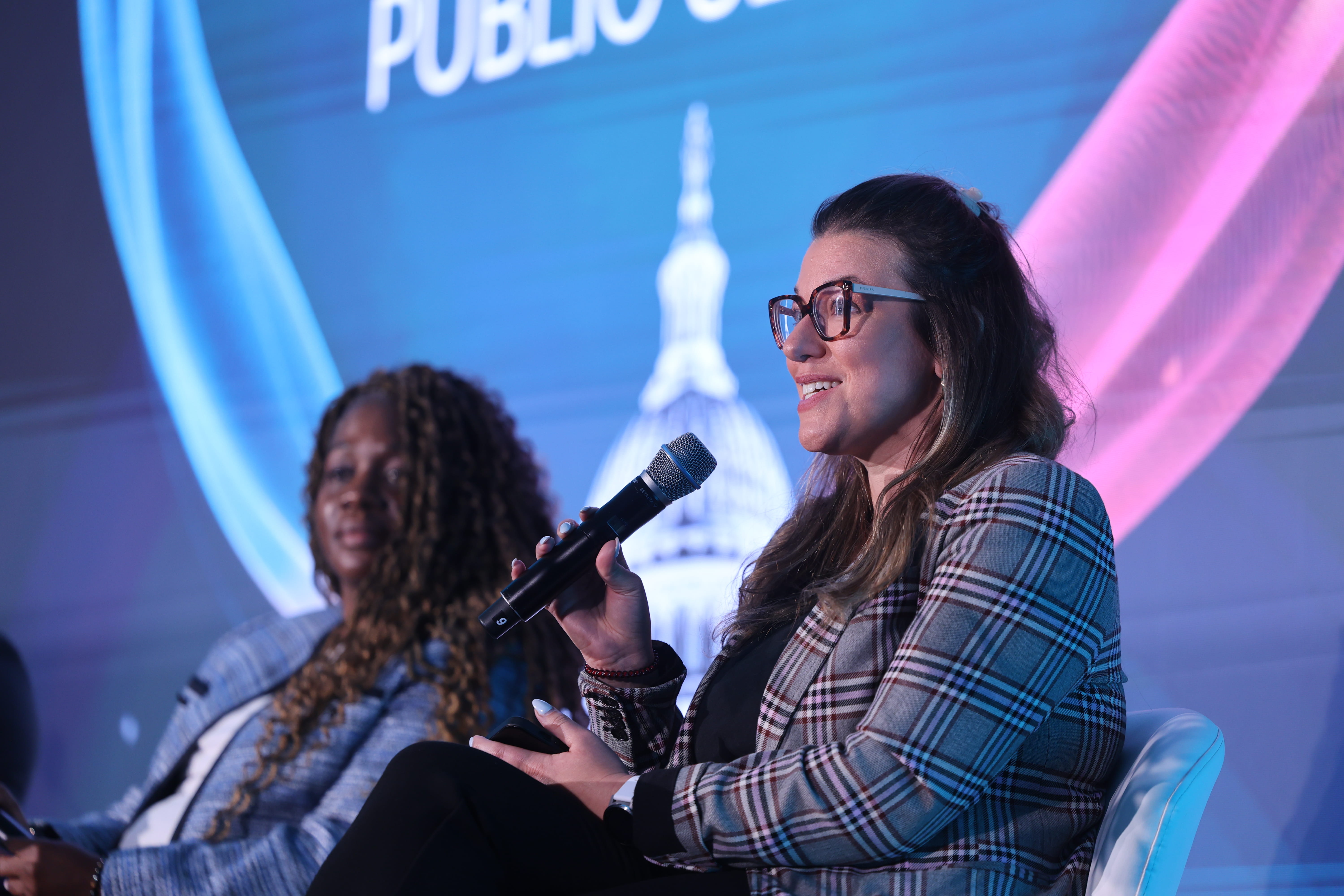
The Cybersecurity and Infrastructure Security Agency (CISA) has made substantial strides in incorporating artificial intelligence (AI) automation into its operations, particularly in its security operations unit. According to Tammy Barbour, acting chief of application management at CISA, AI automation has been instrumental in helping analysts quickly sift through threats and focus on high-priority issues.
Streamlining Threat Analysis
Barbour noted that AI automation has enabled analysts to perform triage rapidly, allowing them to concentrate on critical threats rather than getting bogged down in less significant issues. This capability has also enabled real-time monitoring and response to emerging threats. The Technology Operations Center at CISA has also benefited from AI automation, with top analysts able to respond promptly to customer inquiries and provide real-time support.
Expanding Automation Benefits
Lauren Wind, acting deputy chief technology officer at CISA, highlighted the agency's efforts to leverage automation in areas such as human resources, contracting, and finance. By doing so, CISA aims to drive mission-critical functions while accelerating supporting activities. Wind emphasized the importance of ensuring that cyber analysts focus on high-priority tasks, such as malware analysis.
However, both Barbour and Wind acknowledged that there are challenges to adopting AI automation, including the need to modernize legacy workflows and systems. Barbour noted that some employees are reluctant to give up traditional methods, such as using spreadsheets, in favor of more automated approaches.
Addressing AI Governance and Data Management
Wind stressed the importance of establishing clear AI governance and ensuring transparency in its implementation. This includes defining guidelines for data management and AI usage. She also highlighted the need for a well-structured data platform, regardless of whether the agency is operating in the cloud or on-premises. Without a clear data management strategy, automation efforts can be hindered.
The comments from Barbour and Wind provide insight into CISA's internal approach to AI adoption and its efforts to balance the benefits of automation with the need for effective governance and data management. As the agency continues to explore the potential of AI, it is likely to face ongoing challenges in implementing and scaling these technologies.
Future Directions
CISA's recent work on AI has focused on providing guidance for safe deployment of agentic AI at other organizations, as well as examining the ways in which AI is evolving and deepening threats. As the agency continues to develop its AI capabilities, it will be important to address the challenges and limitations associated with automation, while also ensuring that these technologies are harnessed to support the agency's core mission.
By leveraging AI automation, CISA aims to enhance its threat analysis and response capabilities, ultimately improving the security and resilience of the nation's critical infrastructure. As the agency moves forward, it will be important to continue monitoring the effectiveness of these efforts and addressing any challenges that arise.
- CISA has seen significant gains from AI automation in its security operations unit.
- AI automation has enabled analysts to perform triage rapidly and focus on high-priority threats.
- The agency is working to expand automation benefits to areas such as human resources, contracting, and finance.
- Clear AI governance and data management strategies are essential for successful automation efforts.
Source: CyberScoop