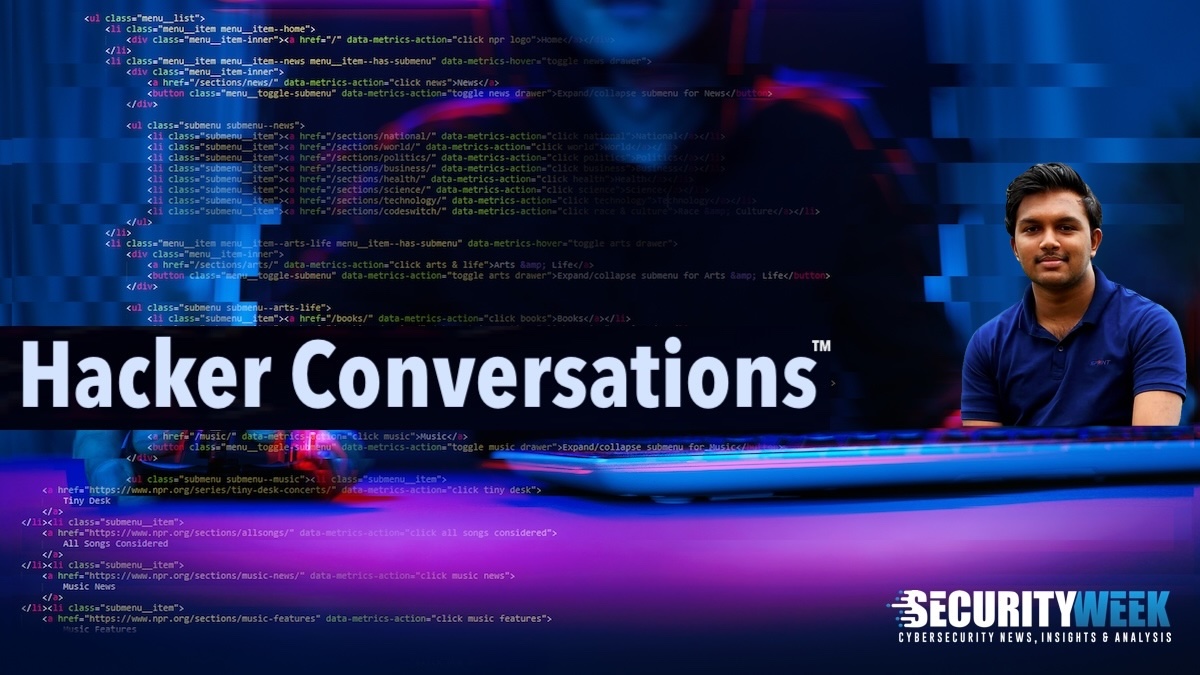
Introduction to Isira Adithya
Isira Adithya, a Sri Lankan-born hacker, was a child prodigy who started building LED bulbs and selling them to his teachers at the age of 11. He never used his skills for nefarious purposes, instead, he was driven by a curiosity to understand how things work.
Adithya explains that hackers are people who refuse to take technology at face value, they probe, test, and dismantle to understand what's inside and how it behaves. This curiosity can be used for security research, building better systems, or in the wrong hands, for malicious gain.
Early Beginnings
Adithya's journey into hacking started when he was gifted a laptop by his parents for passing a scholarship exam at the age of 10. He began learning how to hack computer games on his laptop and soon became interested in hardware hacking.
Before getting the laptop, he had already broken a DVD player by trying to reroute the audio output to custom speakers. At the age of 12, he built a small four-motor drone, which took many failed attempts but eventually hovered.
Transition to Computer Hacking
Adithya soon began to concentrate on computer hacking, driven by a desire to make something work in a way that wasn't originally intended. He started teaching himself game hacking at the age of 11 and realized he was a hacker when he modified a PC game for the first time.
He faced difficult challenges in games, but instead of trying to beat them in the usual way, he wanted to explore how the game itself worked and how he could manipulate it. These were offline games, so no one else was affected, but it opened his eyes to what hacking really meant.
Exploring Wi-Fi Hacking
A year later, at the age of 12 to 14, Adithya started to explore Wi-Fi hacking. His family had a guest who knew about computers and helped guide him. Adithya asked the guest to download YouTube videos about Wi-Fi hacking, and he studied them repeatedly.
One day, the guest challenged Adithya to hack into his mobile hotspot. After running a brute force attack for about two days, Adithya finally cracked the password. The adrenaline rush was unforgettable, and he also had fun messing with friends during computer lab sessions at school.
Discovery of Bug Bounties
Adithya's discovery of bug bounties was a major turning point in his journey. He learned that he could legally hack real-world applications, get paid, and be recognized. This felt like a dream, and he eventually earned his first bounty in April 2021.
That moment, legally hacking into systems of world-class companies and getting rewarded, was surreal. Adithya knew then that ethical hacking was his path. During this period, he began programming in Python and learned Linux.
Successful Career in Bounty Hunting
At the age of 15, Adithya took part in CTF challenges on the TryHackMe platform and was ranked among the top ten in his native Sri Lanka. A year later, he solved his first XSS challenge on the Intigriti bug bounty platform and started serious bounty hunting.
He got his first bug bounty in April 2021, at the age of just 16. Adithya used the ensuing earnings from bounties to fund his further education and bought his first car. He wanted a degree in computer security and enrolled with the NSBM Green University in Sri Lanka.
The Green University has a transnational education partnership with the University of Plymouth in the UK, allowing Adithya to take the Plymouth degree course while still studying in Sri Lanka. He graduated with a first-class honors degree from Plymouth and bought his first house when he was just 21.
Conclusion
Isira Adithya's story is an inspiration to many, showing that with curiosity, determination, and the right guidance, one can become a successful ethical hacker. His journey highlights the importance of bug bounties in improving products and rewarding hackers for their skills in an ethical manner.
The business advantage of bug bounties is to improve products by allowing businesses to understand and fix bugs before they can be found and used by black hats. The social advantage is rewarding hackers for their skills in an ethical manner, creating and maintaining ethical hackers.
Source: SecurityWeek