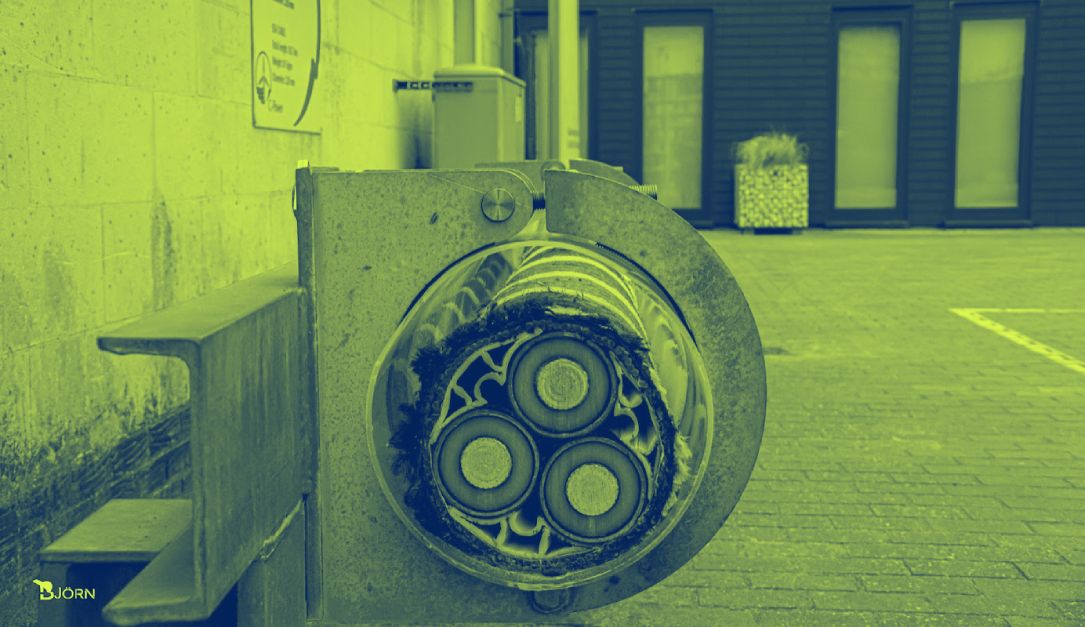
Enhanced Security for Undersea Cables
The Federal Communications Commission (FCC) has taken a significant step towards bolstering the security of undersea submarine cables, which host nearly all internet traffic. In a recent vote, the FCC decided to toughen its oversight of these critical infrastructure components, aiming to prevent potential threats from foreign adversaries, particularly China.
The new rules will block Chinese firms from selling related products and will allow the FCC to quickly approve applications from US-based tech firms that meet specific conditions. Furthermore, the FCC will mandate that owners and operators of submarine line terminal equipment (SLTE) be licensed, ensuring the agency's oversight of a crucial part of the submarine cable network.
Streamlining the Approval Process
The FCC's decision is expected to streamline the process for laying additional cable systems, which is essential to meet the growing demand for internet traffic and the emergence of artificial intelligence. Cable operators that can certify high security standards, have operated cables without incident, and agree to ongoing oversight will be exempt from intensive review for approval.
These exempt operators must also agree not to use potentially insecure foreign equipment, according to the FCC. The revamped regulations will update protections to address vulnerabilities related to principal equipment, third-party service providers, and other areas of concern.
Background and Motivation
The FCC has been working to enhance the security of submarine internet cables for some time. Last year, the agency blocked companies identified as risks to national security from supplying equipment, including Huawei, China Telecom, ZTE, and China Mobile. The new rules will go further by banning equipment from anywhere in China or any other country deemed a foreign adversary.
The FCC first announced its plan to bar Chinese firms from the market in July 2025, citing the need to fuel the expansion of submarine telecommunications infrastructure while bolstering firewalls against foreign adversary threats. Chairman Brendan Carr stated that the agency is taking action to guard submarine cables against foreign adversary ownership, access, and cyber and physical threats.
Threats to Undersea Cables
Spying is considered the biggest threat posed by China's involvement in the undersea cable business, according to officials. The US government is still grappling with the Salt Typhoon hacks, which continue to be a problem over a year after they were first discovered in late 2024. Taiwan has also reported that China threatens its undersea cables, while bad actors have physically damaged cables in the Baltic Sea region several times.
FCC Chair Brandon Carr emphasized the importance of undersea cables, stating that they are the unsung heroes of the global internet, carrying up to 99% of global internet traffic. However, these cables face greater threats than ever, including bad actors seeking access to sensitive data and communications, as well as cyber and physical disruptions.
In April, the British government revealed that it had discovered a secret Russian submarine operation encircling cables and pipelines in the ocean near the northern half of the UK. A Russian attack submarine and other vessels were involved in what the UK Ministry of Defence called nefarious activity over critical undersea infrastructure.
Source: The Record