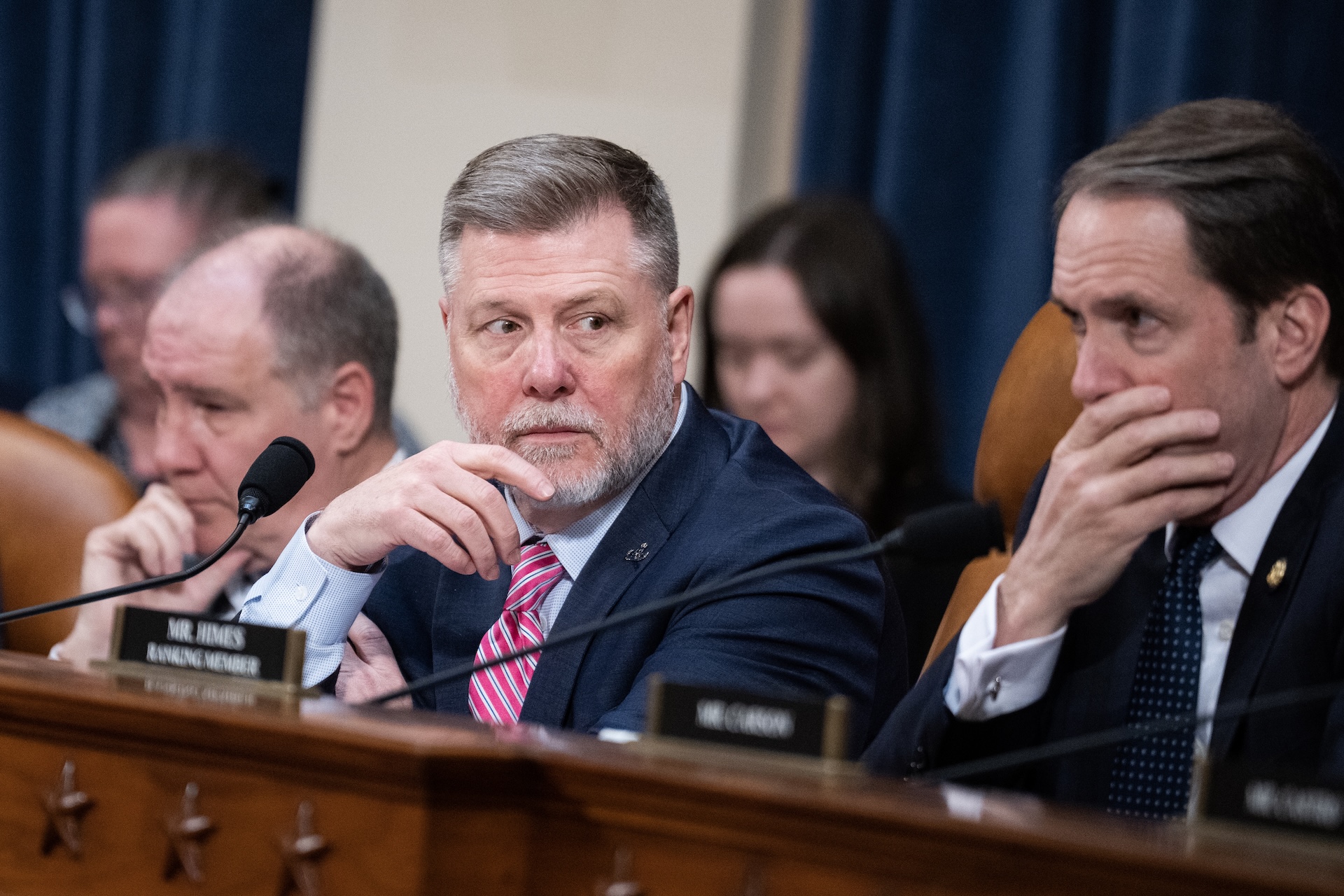
The House Intelligence Committee has approved fiscal 2027 intelligence authorization legislation that includes provisions to boost cybersecurity for state and local governments. The bill authorizes a cyberthreat intelligence sharing pilot program, which will provide monthly briefings to one selected state on timely, specific, and actionable information regarding cyber threats.
State and Local Threat Intelligence Sharing
The pilot program, led by the Office of the Director of National Intelligence (ODNI), will involve the Department of Homeland Security, FBI, and other agencies. After a year, the ODNI will provide a report on the viability of a wider briefing program for state and local governments. The bill also requires the ODNI to produce a strategy on information sharing with states and local areas.
Assessment of Current Efforts
The Government Accountability Office will conduct an assessment of the current state of information sharing, including a summary of relevant agencies' current efforts, how the agencies deconflict those efforts, and what kind of obstacles security clearances pose to improving information sharing.
National Cyber Director Sean Cairncross has also discussed creating pilot programs for cyber threat information sharing with state and local governments, but there has been little movement on that initiative. The Trump administration's cutbacks on aid for state and local governments have led to widespread frustration, with the president taking explicit action to shift more responsibility for cyber defenses to the local level.
Election Security Provisions
During committee deliberation, panel Democrats won adoption of a trio of election security amendments. An amendment from Rep. Jim Himes of Connecticut would require the intelligence community to publish an unclassified assessment of foreign intelligence threats to the 2026 midterms. Rep. Jason Crow of Colorado's amendment would partially withhold funding for the ODNI until Congress gets overdue reports it had required on the 2024 and 2026 elections.
Protection of Analysts
Rep. Chrissy Houlahan of Pennsylvania's amendment would protect analysts from retribution by IC leadership for working on intelligence products related to foreign influence in US elections. The Democrats' push arrives shortly after President Donald Trump delivered a primetime address seeking to bolster his long-debunked claims that the 2020 election was stolen from him.
Artificial Intelligence Provisions
The bill includes provisions for significantly increasing funding for expanded access and use of frontier AI models for intelligence and cyber missions. It would also codify and expand the role of the Artificial Intelligence Security Center at the National Security Agency and strengthen information sharing on AI threats. According to House Intelligence Chairman Rick Crawford, R-Ark, the bill balances strong transparency and accountability measures while equipping the IC with the resources needed to combat the ever-evolving threats from adversaries around the world, with a particularly strong focus on the global AI race.
The trend in Congress is for lawmakers to incorporate the annual intelligence authorization bill, or some of its provisions, into the annual National Defense Authorization Act, which often reaches the president's desk at the end of each calendar year.
Foreign Cyber Threats to Energy Infrastructure
The bill also orders an assessment from the Office of Intelligence and Counterintelligence of the Department of Energy on foreign cyber threats to critical energy infrastructure, including their intent and risks.
Source: CyberScoop