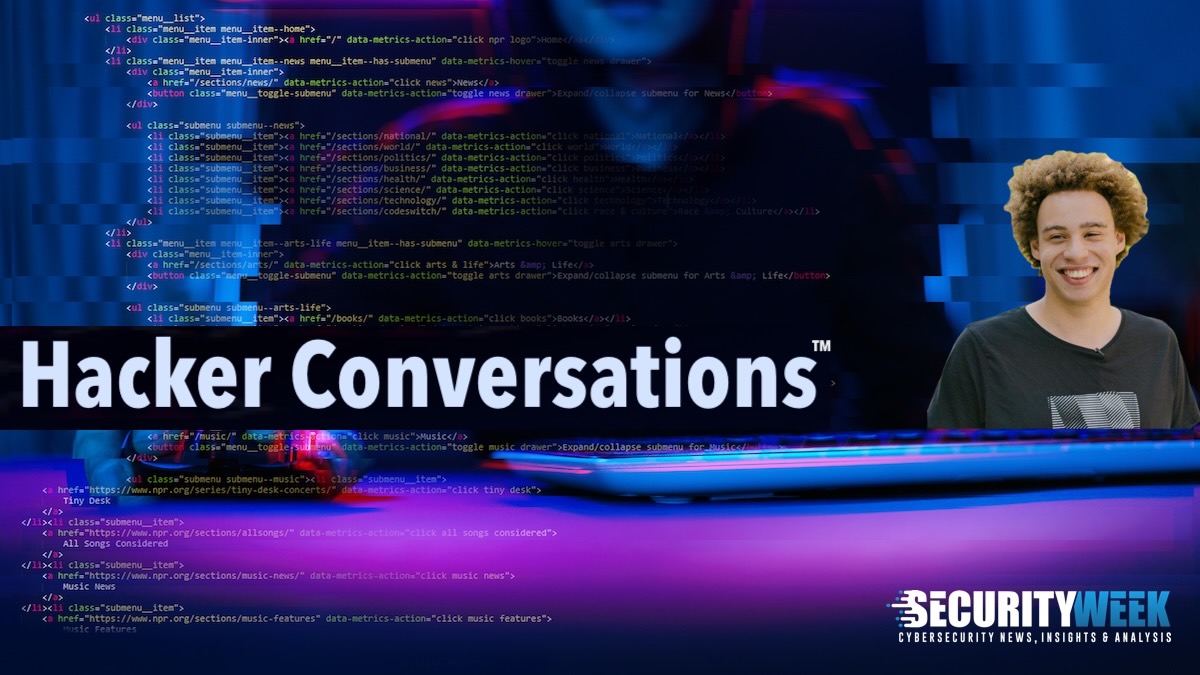
Introduction to Marcus Hutchins
Marcus Hutchins, a 22-year-old cyber threat analyst from England, became an overnight sensation in 2017 when he discovered a kill switch for the WannaCry ransomware. This malicious software had infected over 200,000 computers in 150 countries, causing widespread disruption and destruction. Hutchins' actions saved the world from a potentially catastrophic cyberattack, earning him the title of hero.
From Gray Zone to Redemption
However, Hutchins' journey to heroism was not without its challenges. Born in Ascot, England, he had a passion for understanding how things worked, which led him to teach himself programming languages like VB, PHP, C, C++, and Assembly. His skills eventually gravitated towards the gray zone of cybercrime, where he wrote malware for hackers to use. Although he never considered himself a hacker, his involvement in the cybercrime world would eventually catch up with him.
Hutchins' neurodiversity played a significant role in his intense focus on understanding complex systems. He would often find himself spiraling down a rabbit hole, wanting to know more about how something worked, from the electronics to the quantum physics level. This intensity led to a deep understanding of specific subjects but left him with little knowledge of others.
The MalwareTech Blog and Cybercrime
In 2013, Hutchins started an anonymous blog called MalwareTech, focused on how malware works, including proof of concepts. The blog gained popularity among both cybersecurity professionals and cybercriminals, with the latter willing to pay for his proof of concepts. Although Hutchins didn't consciously decide to be 'bad,' his actions had consequences. He began to see the harm his code was causing and eventually decided to cut ties with the cybercrime world, seeking a legitimate job in cybersecurity.
The WannaCry Outbreak and Heroism
In 2016, Hutchins found a position as a research and development lead for a firm in Los Angeles. When the WannaCry outbreak occurred, he was intrigued by the malware's complexity and decided to analyze it. He discovered an unregistered domain in the code and registered it, which inadvertently acted as a kill switch, stopping the malware's spread. This action saved countless systems from destruction, cementing Hutchins' status as a hero.
From Hero to Villain: The FBI Arrest
However, Hutchins' past soon caught up with him. Three months after the WannaCry outbreak, the FBI arrested him for his earlier involvement in cybercrime. He was held in detention pending trial, but a $30,000 cash bail secured his temporary release. The court case lasted two years, culminating in Hutchins pleading guilty to computer hacking and advertising a wiretapping device. The judge sentenced him to one year probation, acknowledging his rehabilitation.
A New Beginning: Principal Threat Researcher at Expel
Today, Hutchins is the Principal Threat Researcher at Expel, working on cyber threat intelligence and writing blog posts about malware. His journey from the gray zone to redemption serves as a unique example of how individuals can change and grow. The history of Hutchins provides an unusual slant on the saying 'no good deed goes unpunished,' as both his past and present actions have had consequences, but ultimately led him to a legitimate and fulfilling career in cybersecurity.
Source: SecurityWeek