Introduction of the NO FAKES Act
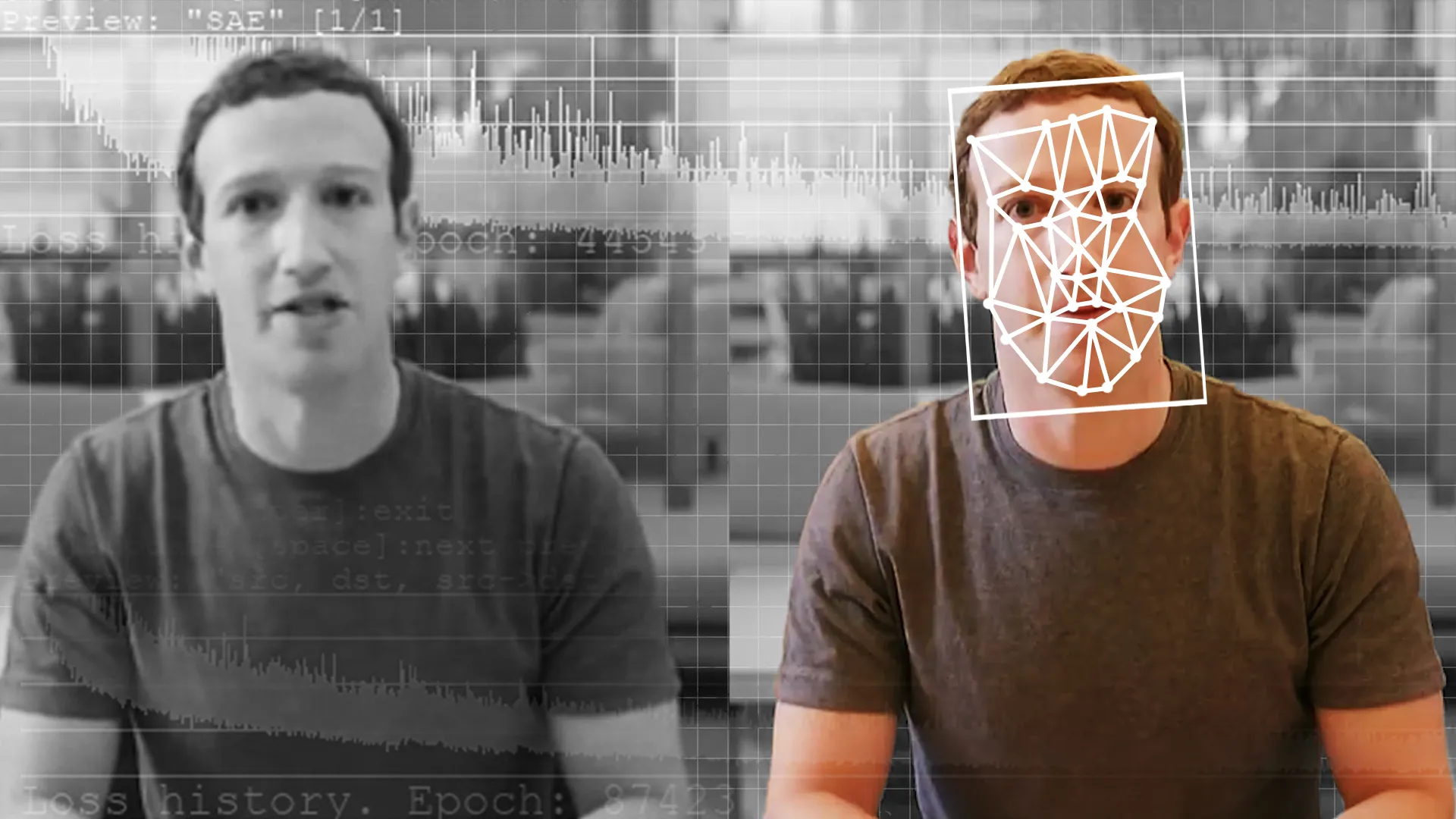
The Senate Judiciary Committee has approved a new bill, the NO FAKES Act, which aims to prevent unauthorized deepfakes of American artists, performers, and public figures. The bill, introduced by Sens. Chris Coons, D-Del., and Marsha Blackburn, R-Tenn., would give Americans near-exclusive rights to their own digital AI replicas, and those rights would live on, passing to heirs, executors, and estates for at least 70 years after an individual dies.
Provisions of the Bill
While living, creators would be able to essentially license their likeness and image to others, over 10-year contracts for adults and 5 years for minors. It would also permit individuals to sue anyone who uses their AI-generated image without permission, and pay up to $750,000 for violations. Blackburn submitted letters of support for the bill from more than 40 groups, including the Screen Actors Guild – American Federation of Television and Radio Artists, the American Medical Association, Creative Artists Agency, the Broadcasters’ Associations, and the Human Artistry Campaign.
Concerns about Free Speech and Parody
However, the bill faces opposition from an alliance of tech business and digital rights groups, who argue that it fails to balance the commercial rights of artists to control their own image with longstanding First Amendment constitutional rights to free speech and parody. Amy Bos, vice president of government affairs at NetChoice, a trade association for online businesses, said that while her group supports legislation that prevents unauthorized AI-generated deepfakes, “good intentions do not make good law.”
Criticism from Digital Civil Groups
A broad coalition of policy groups – including the American Civil Liberties Union, the R-Street Foundation, the Center for Democracy and Technology, the Electronic Frontier Foundation, and others – wrote to the Senate Judiciary Committee to urge members to oppose the bill in its current form. They argued that the current bill creates a “Heckler’s veto” over most online content, allowing artists, public figures, and advocacy groups to flood the notification system with takedown requests for content they don’t like.
Similar to a law already on the books, the Digital Millennium Copyright Act, virtually all the incentives in the bill push platforms to be overaggressive in taking down content, regardless of whether it violates the law or not. This approach could end up quashing not just unauthorized ads but also scores of other likely First Amendment-protected uses, such as education, humor, satire, and parody.
Examples of AI-Generated Deepfakes
In 2023, a humorous AI-generated image of Pope Francis in a puffy Balenciaga jacket went viral. Under the NO FAKES Act, the coalition says that post would be illegal for anyone to post until nearly 2100. In the political arena, both Republicans like Trump and Democrats like California Governor Gavin Newsom have used AI deepfakes to skewer their political opposition.
Conclusion
While the bill passed by voice vote and with broad support, multiple Republican and Democratic members of the committee said they had similar concerns and expressed a desire to continue tweaking the bill further before passage into law. Coons appeared to dismiss those charges, arguing that changes made to the bill ahead of markup adequately address any First Amendment concerns.
- The NO FAKES Act would give Americans near-exclusive rights to their own digital AI replicas.
- The bill would permit individuals to sue anyone who uses their AI-generated image without permission, and pay up to $750,000 for violations.
- The bill faces opposition from an alliance of tech business and digital rights groups, who argue that it fails to balance the commercial rights of artists to control their own image with longstanding First Amendment constitutional rights to free speech and parody.
Source: CyberScoop