Pentagon's Cyber Integration Efforts
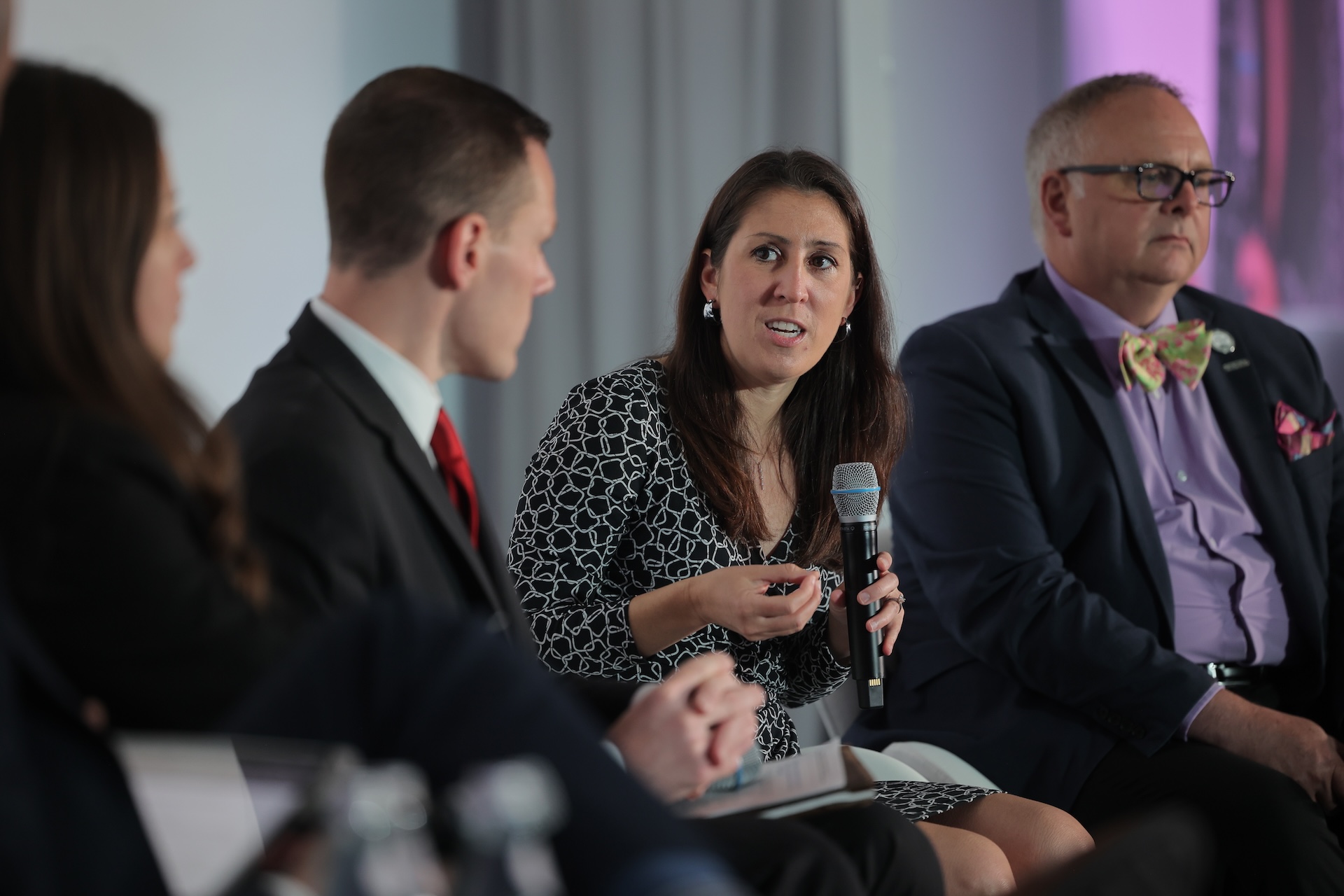
The Pentagon is focusing on integrating cyber into all its operations, and wants to make sure it integrates security into artificial intelligence usage from the outset, according to Katherine Sutton, assistant secretary for cyber policy and principal cyber adviser at DOD. Recent conflicts have made clear how important cyber is, especially when it's paired with physical force.
Defense officials have noted that there's been a cultural shift on the importance of cyber at the department since the war in Iran and the capture of Venezuelan leader Nicolas Maduro. Sutton emphasized that information is becoming more and more important on the battlefield, and having the ability to integrate space, cyber, and other non-kinetic effects to degrade that information advantage is critical and foundational to any future conflicts.
Breaking Down Silos
Sutton stressed that cyber needs to be fully integrated into operational planning from day one, rather than being added as an afterthought. This means not just integrating the effects, but starting the integration from the beginning and building it in from the ground up. Brandon Pugh, principal cyber adviser for the Army, backed up this message, saying that cyber is more effective when it's blended with kinetic operations while still being an option in its own right.
Army Secretary Dan Driscoll has made Pugh the Army secretariat lead for all its defense critical infrastructure, both physical and cyber, which Pugh said emphasizes how the Army sees the two linked. The Army brought agencies together last month for an exercise to contemplate threat scenarios across domains.
Artificial Intelligence Security
Security needs to be interlaced with artificial intelligence, according to Sutton. As advanced AI models grow in usage at the Defense Department, the Pentagon can't make similar mistakes to those made with the internet, which wasn't built with security in mind. Sutton said that as the Pentagon adopts new tools, it's also creating a new threat landscape for adversaries to attack and exploit these new capabilities.
Therefore, the Pentagon needs to start thinking about how it's going to secure these new capabilities. Sutton emphasized that security can't be an afterthought, and the Pentagon needs to think about security from the front. With AI, the Pentagon doesn't have the luxury of adopting tools without considering security, and it needs to prioritize security from the outset.
The integration of cyber into all operations and the prioritization of security in artificial intelligence usage are critical steps for the Pentagon to counter emerging threats. By breaking down silos and integrating cyber into operational planning, the Pentagon can improve its ability to respond to threats and protect its assets. Similarly, by prioritizing security in AI, the Pentagon can ensure that its use of AI is secure and effective.
Conclusion
In conclusion, the Pentagon's efforts to integrate cyber into all operations and prioritize security in artificial intelligence usage are crucial for its ability to counter emerging threats. By prioritizing security and integrating cyber into operational planning, the Pentagon can improve its ability to respond to threats and protect its assets. As the use of AI continues to grow, the Pentagon needs to ensure that security is a top priority to prevent adversaries from exploiting these new capabilities.
Source: CyberScoop