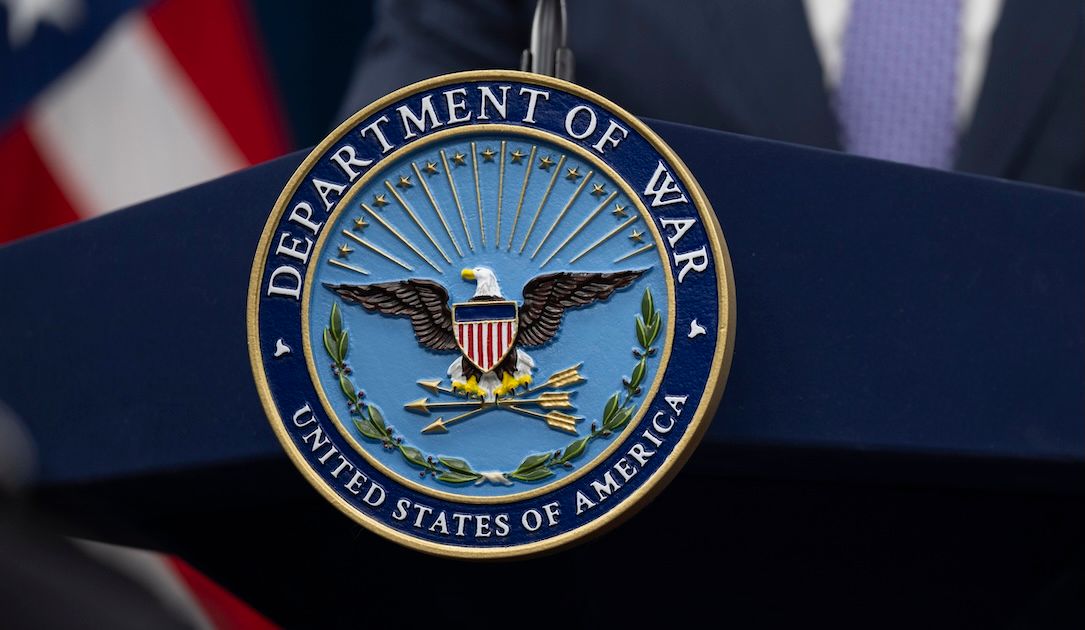
Pentagon Issues Directive to Cyber Command Amid Suicide Concerns
The Department of Defense’s top cyber policy official has issued a formal memo to U.S. Cyber Command requiring immediate action to improve personnel well-being following reports of suicide deaths within the command this summer. Katherine Sutton, assistant secretary for cyber policy and principal cyber adviser, sent the unclassified directive on August 31 to Army Gen. Joshua Rudd, who leads both U.S. Cyber Command and the National Security Agency.
The memo, obtained exclusively by Recorded Future News, comes after initial reports of a suicide cluster at Cyber Command heightened concerns about mental health and operational stress across the military’s cyber enterprise. It frames the directive as a bureaucratic warning to act swiftly in addressing force preservation.
Memo Highlights Unique Psychological Toll of Cyber Operations
The directive states that the "continuous, high-tempo nature of ongoing active cyber operations imposes a unique cumulative, cognitive and psychological toll" on personnel. It notes that unlike traditional kinetic forces, cyber teams lack standardized periods of operational rest and reconstitution between deployments, which affects retention and long-term performance.
Sutton calls for a shift "from a reactive posture to a systematic, proactive force preservation model" through seven specific steps outlined in the memo.
Immediate Actions Required Within 30 Days
The first two steps must be completed within 30 days: Cyber Command must provide four years of historical organizational climate survey data and standardized exit interview summaries to establish a health baseline for the force. Additionally, the command must finalize a memorandum of agreement with the NSA — co-located at Fort Meade and also led by Gen. Rudd — to share mental and behavioral health professionals within the operational spaces of the Cyber Mission Force as an interim measure.
Mid-October Deadline for Resiliency Framework
Cyber Command has until mid-October to create a Cyber Occupational Resiliency and Engagement Framework intended to serve as an enduring mechanism for supporting operator wellness, resilience, and performance sustainment. The framework must include force employment and "dwell phasing" measures to improve recovery predictability, reduce cumulative operational strain, and sustain readiness across the Cyber Mission Force.
This effort aligns with a requirement from the fiscal 2024 defense policy bill to study the "occupational resiliency" of the CMF, which the department had previously committed to address.
Additional 60-Day and Ongoing Requirements
Within 60 days, Cyber Command must review and submit a proposal to modify consecutive tour policy for cyber operators. The proposal should incorporate career pathing opportunities, technical instructor duties, and educational assignments designed to interrupt continuous operational stress.
The command must also appoint a co-lead for the Governance and Cyber Wellness Working Group — a body previously promised in response to the defense policy bill — to serve as the primary liaison between Fort Meade and Sutton’s office on wellness initiatives.
Finally, Cyber Command must work with the DOD and Joint Staff to review and prioritize the order of digital warfighting campaigns in a way that balances operational demands with long-term force health, a process that typically begins each spring and takes most of the year to complete.
Context: Reforms Accelerated After Suicide Reports
According to a source familiar with the memo who spoke anonymously, many of the benchmarks outlined were already part of the implementation plan for "Cyber Command 2.0," the department’s broader revamp of the command and its forces. However, these timelines were moved up — in some cases by years — following the suicide deaths.
The source speculated that the newly created Cyber Talent Management Organization from the overhaul would likely lead many of these efforts but expressed concern that the organization remains in a developmental stage.
Senior Leaders Acknowledge Need for Cultural Shift
At HammerCon, an annual event by the Military Cyber Professionals Association, Air Force Col. Dan Kim, senior military adviser in Sutton’s office, referenced ongoing initiatives to optimize unit phasing, allowing cyber operators who are "most of the time 100% in contact" with adversaries to step away from their keyboards regardless of operational demands.
He also noted the development of "elite performance modeling" inspired by U.S. Special Operations Command’s Preservation of the Force and Family program, which centers the human element in force sustainability.
Marine Forces Cyberspace Command Chief of Staff Col. Bryon Owen described how the operational tempo had become relentless: "At some point, our surge just became the pace." He highlighted challenges in supporting remote fighters and noted that requesting chaplain access to operational spaces had made a significant difference, with troops now feeling empowered to ask for breaks.
Lt. Gen. Christopher Eubank, head of Army Cyber Command, recounted having to tell personnel during Operation Epic Fury — the eight-month-old conflict with Iran — to "go look at clouds" and "touch grass" to reset. He observed that operators often treated hobbies as extensions of work, engaging in activities like playing "Call of Duty" in VR after shifts, which offered no real cognitive recovery.
"We had to actually institute … rest plans, because you [have] to keep them cognitively resilient," Eubank said. "It should have been a blinding flash of the obvious, probably."
Source: The Record