Russia's Aggressive Pursuit of Western Technology
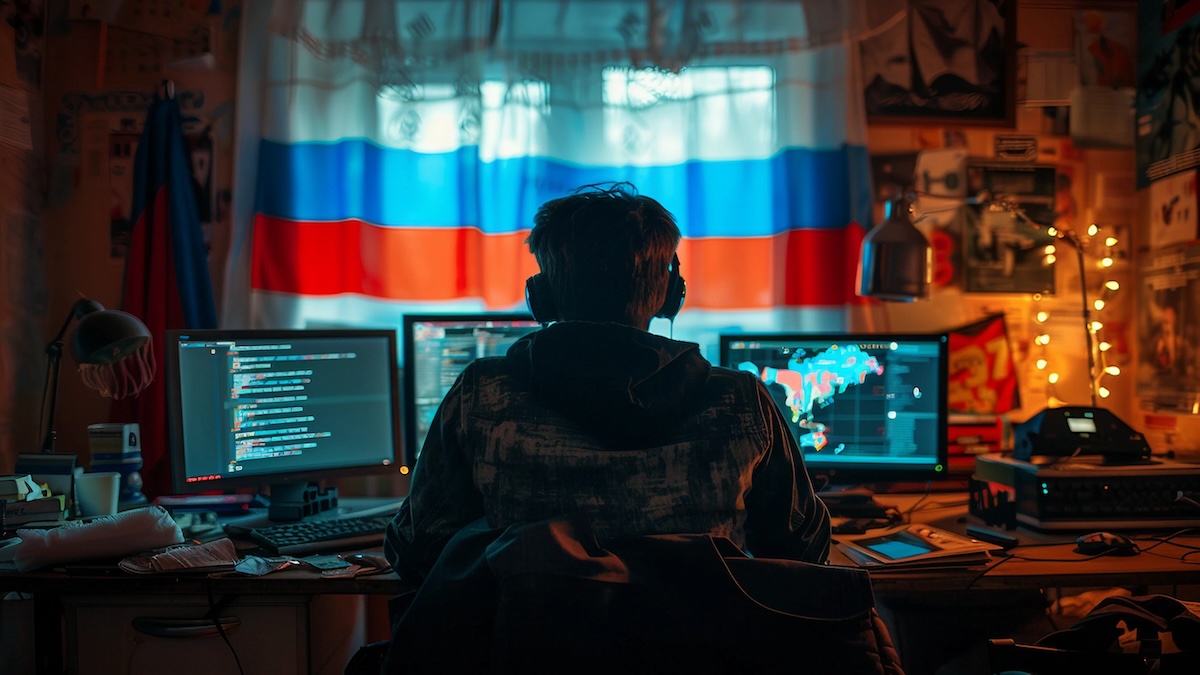
Russia's intelligence agencies have grown more aggressive in their efforts to steal Western technology and defense secrets as sanctions squeeze the country's wartime economy, according to three senior European intelligence officials.
Moscow's agents are building fake companies, recruiting middlemen, and deploying cyber spies and hackers who are gathering information that could also be used to attack key infrastructure, they said. Four years of international sanctions have hampered Moscow's ability to procure machinery, technology, and research from Europe, while the grinding war in Ukraine has taxed key industries and pushed the country toward a potential financial crisis.
Targeting Western Defense Industries
In Sweden, Russia is targeting the defense industry and high-end research on the country's most advanced weaponry, such as the Gripen fighter jet, said Christoffer Wedelin, deputy head of operations at the Swedish Security Service. It is also trying to procure camera and laser technology developed for civilian purposes that could be integrated into Russian weapons systems, he said.
Moscow is also trying to steal technology to help it keep pace — or give it an edge — against the West in the decades ahead, said Juha Martelius, the director of Finland's Security and Intelligence Service. This includes space technology, quantum technology, arctic technology, and marine technology, he said.
Cyberattacks and Sabotage
Russia is also deploying cyberattacks against European firms and critical infrastructure in an attempt to gather information, which it could exploit when it gets the chance and when it serves their purpose, Wedelin said. He pointed to an attack on a Swedish power plant last year, where Russia-linked actors tried to destroy the plant but failed because the system detected the intrusion.
This attack marked a switch in Russia's modus operandi, Wedelin said. They're no longer caring as much about potential attribution after their activities, so they are taking greater risks to achieve their goals, he said.
Economic Woes and Sanctions
Russia's increasingly aggressive tactics may reflect mounting internal concerns about its economy, which is not doing well at all, said Kaupo Rosin, the head of Estonia's Foreign Intelligence Service. About a third of Russia's gross domestic product currently goes to the war effort, Martelius said.
The war and ensuing sanctions have slowed growth and fueled stubborn inflation. Russian officials planned to have a budget deficit of 3.7 trillion rubles ($52.1 billion) for the whole of 2026 and had already reached about 3.4 trillion rubles ($47.9 billion) by the end of February, Rosin said.
Sanctions and Their Impact
The U.S. has granted sanctions waivers for the sale of Russian oil, and the U.K. has watered down its sanctions in an attempt to lower global fuel costs. Increased revenue since then has likely improved Russia's budget, but it doesn't save them, Rosin said. If Western pressure persists, Moscow could face a financial crisis toward the end of the year.
Intelligence seen by Rosin's agency shows a gloomier outlook among Russian officials over the past six months, with the narrative of total victory in Ukraine having vanished. Almost 500,000 Russian soldiers have been killed in Ukraine since the full-scale invasion in 2022, said Anne Keast-Butler, the director of the U.K.'s signals intelligence agency.
Russia and Ukraine have mostly kept their combat casualty figures under wraps. Stalled progress on the battlefield and economic woes have many Russian officials privately asking what is this all for, Rosin said, citing the intelligence reports.
Conclusion
Russia's aggressive pursuit of Western technology and defense secrets is a clear indication of the country's desperation to keep pace with the West. As sanctions continue to squeeze the Russian economy, it is likely that Moscow's agents will become even more aggressive in their efforts to steal Western technology and defense secrets.
Source: SecurityWeek