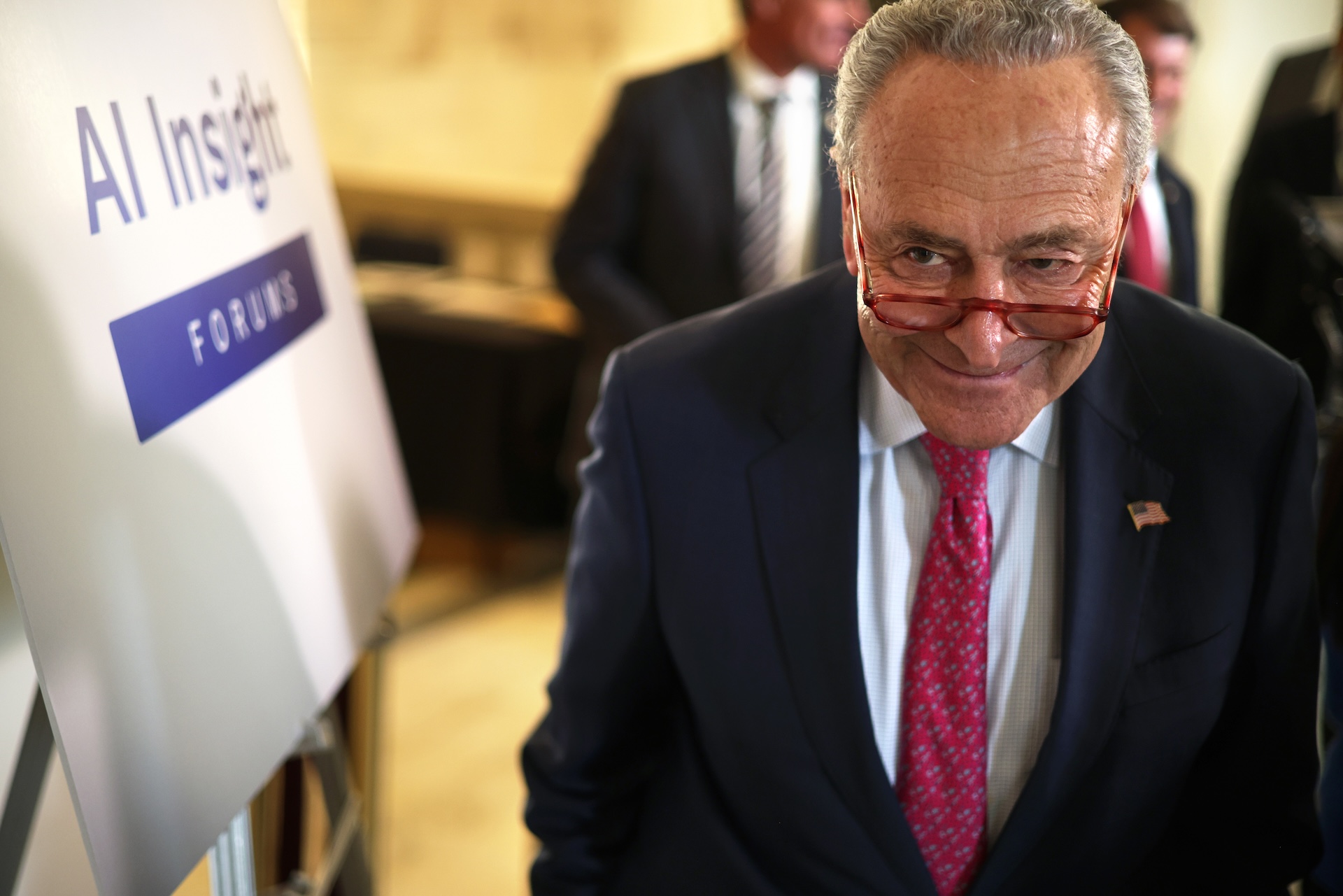
Schumer's Concerns About AI-Enabled Hacks
Senate Minority Leader Chuck Schumer, D-N.Y., has written to DHS Secretary Markwayne Mullin, calling for the Department of Homeland Security to work closely with state and local governments to defend against artificial intelligence-strengthened hacks.
Schumer's concerns stem from the rapid advancement of AI models, which pose new hacking threats. He believes that there is a race between cybersecurity defenders and AI-enabled hacking, and that there is no time to waste in addressing this issue.
The Need for Coordination
Schumer wants a plan from DHS by July 1 on coordinating with state and local governments on a range of questions, such as how to identify top AI talent, carry out rapid patching, and conduct risk assessments.
He is worried about the capabilities of DHS and its Cybersecurity and Infrastructure Security Agency to carry out this coordination, given federal funding cuts to the Multistate Information Sharing and Analysis Center, and the lack of a Senate-confirmed CISA director for the duration of the second Trump administration.
The Risks of AI-Enabled Hacks
Schumer believes that AI is changing the cyber battlefield fast, and that the US cannot let hackers get there first. He is concerned that hospitals, power grids, water systems, schools, elections, and emergency services could be left exposed to attacks that could put lives and livelihoods at risk.
CISA is using AI to help on the defensive side internally, agency officials recently said. However, Schumer wants to ensure that state and local governments are not left behind in this effort.
CISA's Role in AI Cyber Defense
CISA's use of AI to help on the defensive side internally is a positive step, but Schumer believes that more needs to be done to coordinate with state and local governments.
He wants DHS to immediately help states and localities find and fix vulnerabilities before Americans are hit with outages, disruptions, and attacks that could put lives and livelihoods at risk.
As Schumer stated,
AI is changing the cyber battlefield fast — and we cannot let hackers get there first.He believes that
Hospitals, power grids, water systems, schools, elections, and emergency services cannot be left exposed while criminal gangs and state-backed hackers race to exploit new AI tools.
Schumer's call for action is a reminder that the US needs to stay ahead of the curve when it comes to AI-enabled hacks. By working together with state and local governments, the US can reduce the risk of disruptive cyberattacks and protect American lives and livelihoods.
For more information, visit the Department of Homeland Security website or the Cybersecurity and Infrastructure Security Agency website.
Conclusion
In conclusion, Schumer's call for a plan from DHS to coordinate with state and local governments on defending against AI-strengthened hacks is a crucial step in addressing the rapidly evolving cyber threat landscape.
By working together and leveraging the power of AI, the US can stay ahead of hackers and protect American lives and livelihoods.
- Key Takeaways:
- Schumer is seeking a plan from DHS to coordinate with state and local governments on defending against AI-strengthened hacks.
- AI is changing the cyber battlefield fast, and the US cannot let hackers get there first.
- CISA is using AI to help on the defensive side internally, but more needs to be done to coordinate with state and local governments.
Source: CyberScoop