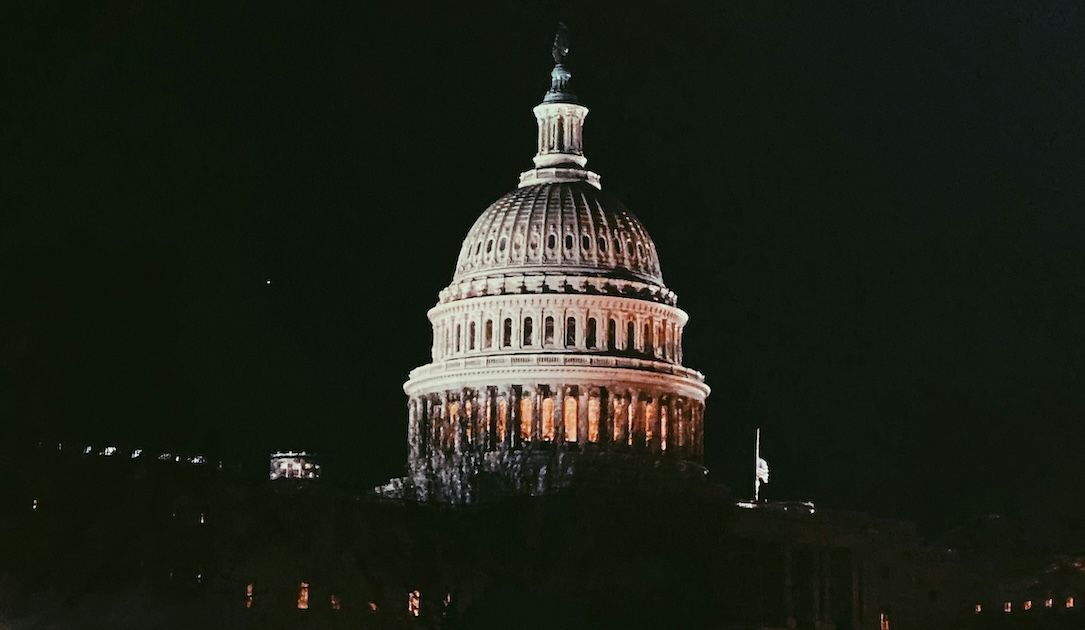
Section 702 FISA Surveillance Program Set to Lapse
A major US surveillance program is poised to lapse after a legislative deadlock, marking the first time the program has expired since its inception in 2008. The program, known as Section 702 of the Foreign Intelligence Surveillance Act (FISA), allows US intelligence agencies to gather digital communications of foreigners overseas without a warrant.
Congressional lawmakers had been working to strike a deal to renew the program, but negotiations were derailed when President Donald Trump announced the appointment of Bill Pulte as acting director of national intelligence. Pulte's lack of military or intelligence experience sparked outrage among Democrats and surprised Republicans.
Failed Renewal Efforts
The House attempted to pass a short-term extension, but fell short of the necessary votes. The Senate also tried to fast-track a renewal, but was unsuccessful. Trump later announced his intention to nominate Jay Clayton as the next permanent director of national intelligence, a move welcomed by key Democrats, including Sen. Mark Warner (VA).
Warner cautioned that the Senate would need a guarantee that Pulte would not serve as acting director of national intelligence before considering a FISA extension. The Intelligence panel has scheduled Clayton's confirmation hearing for next week, and Majority Leader John Thune (R-SD) has indicated his intention to move quickly to confirm him.
Implications of the Lapse
While the program's lapse does not mean it will shut down completely, existing 702 orders are likely to continue, but the government will not be able to seek new ones. However, this interpretation could be challenged in court. A key concern is whether major US communications providers will continue to comply with court orders under Section 702.
Sen. Warner noted that some telecommunications companies may not mind participating in the program as long as they receive indemnification. However, if indemnification is removed, companies may be less likely to comply. In 2024, two service providers informed the National Security Agency that they would opt out of the program if it expired.
Reactions to the Lapse
Jon Darby, NSA's former director of operations, lamented the outcome, stating that Section 702 authority underpins much of the nation's foreign intelligence and that letting the authority lapse is irresponsible and dangerous. Jake Laperruque, deputy director for the Center for Democracy and Technology's Security and Surveillance Project, called the lapse an inexcusable failure by Congressional leadership and accused the administration and lawmakers of refusing to allow votes on reform.
The lapse of the Section 702 FISA surveillance program has significant implications for national security and the gathering of critical intelligence information. As the program begins to roll up, the nation may have less insight into threats around the world, making it less safe.
- Section 702 of the Foreign Intelligence Surveillance Act (FISA) allows US intelligence agencies to gather digital communications of foreigners overseas without a warrant.
- The program has been in place since 2008 and provides more than half of the president's daily intelligence briefing.
- The lapse of the program does not mean it will shut down completely, but existing 702 orders are likely to continue, and the government will not be able to seek new ones.
Source: The Record