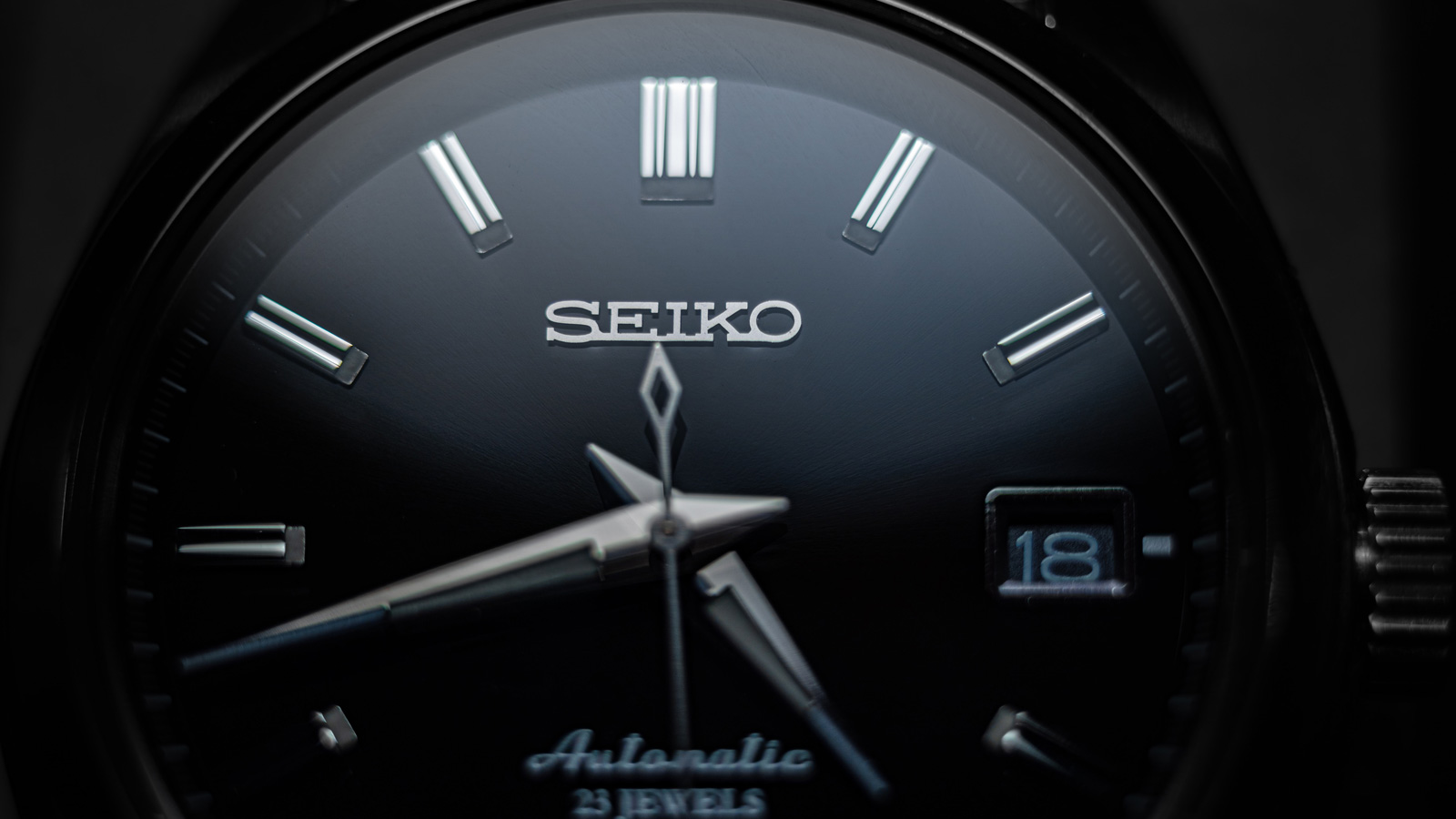
Seiko USA Website Defaced With Extortion Demand
Visitors to the Seiko USA website were met with an alarming sight over the weekend when attackers replaced legitimate content on the site's "Press Lounge" section with a page bearing the title "HACKED." The defacement served as both a ransom demand and a public data breach notification, warning that the company's Shopify backend had been compromised and its customer database stolen.
The incident was first reported by BleepingComputer on April 20, 2026. Seiko USA has since removed the extortion message from the website but has not issued any public statement, nor has it responded to BleepingComputer's requests for comment.
What the Defacement Message Said
The text displayed on the defaced page was direct and threatening. It read:
"This is an urgent security notification regarding your Shopify store. Your customer database has been compromised. We have successfully breached your Shopify store's security systems and downloaded the entire customer database."
The attackers claimed to have accessed Seiko USA's Shopify administrative systems and exfiltrated a broad range of sensitive customer information. According to the defacement message, the stolen data reportedly includes the following categories:
- Customer Information: Names, email addresses, and phone numbers
- Order History: Purchase records and transaction details
- Shipping Data: Addresses and shipping preferences
- Account Details: Account creation dates and customer notes
A 72-Hour Ultimatum and a Specific Instruction
The threat actors gave Seiko USA a 72-hour window to initiate contact, warning that failure to comply would result in the alleged database being publicly released. To demonstrate the legitimacy of their claimed access, the attackers instructed Seiko USA to look up a specific customer account within the Shopify admin panel — identified by the ID 8069776801871. They stated that a contact email address had been added to that account profile, which the company should use to begin negotiations.
This tactic — embedding contact details within a victim's own system as proof of access — is a method sometimes used by extortion actors to establish credibility and create a communication channel that is harder to ignore or dismiss as a hoax.
Attribution and Legitimacy Still Unclear
As of the time of reporting, BleepingComputer was unable to identify the specific threat actor or group responsible for the attack. It also remains unconfirmed whether the claims about the stolen data are genuine. The removal of the defacement message by Seiko USA suggests the company is aware of the incident, but the lack of an official response leaves many questions unanswered.
It is not uncommon for attackers to deface websites with exaggerated or entirely fabricated breach claims as a pressure tactic, though the inclusion of a specific Shopify customer account ID lends some degree of specificity to the allegation.
Context: A Growing Trend of Shopify-Related Extortion
Seiko USA's predicament is far from isolated. Attacks targeting e-commerce platforms and their associated customer data have become increasingly common in recent years. Businesses that rely on platforms like Shopify store significant volumes of customer personally identifiable information, making them attractive targets for cybercriminals seeking leverage through extortion or data sales.
The pattern seen here — breach, defacement, ransom demand with a short deadline — mirrors tactics observed in other high-profile incidents involving data extortion, where attackers attempt to monetize stolen data either by selling it or by threatening the victim organization directly.
What Comes Next
Seiko USA has not confirmed whether a breach actually occurred, whether any customer data was genuinely compromised, or whether it intends to engage with the attackers. Customers who have made purchases through Seiko USA's online store may want to monitor their accounts for suspicious activity, be alert to phishing attempts using their personal information, and consider changing passwords associated with any accounts linked to their email addresses used on the platform.
BleepingComputer continues to monitor the situation for further developments.
Source: BleepingComputer