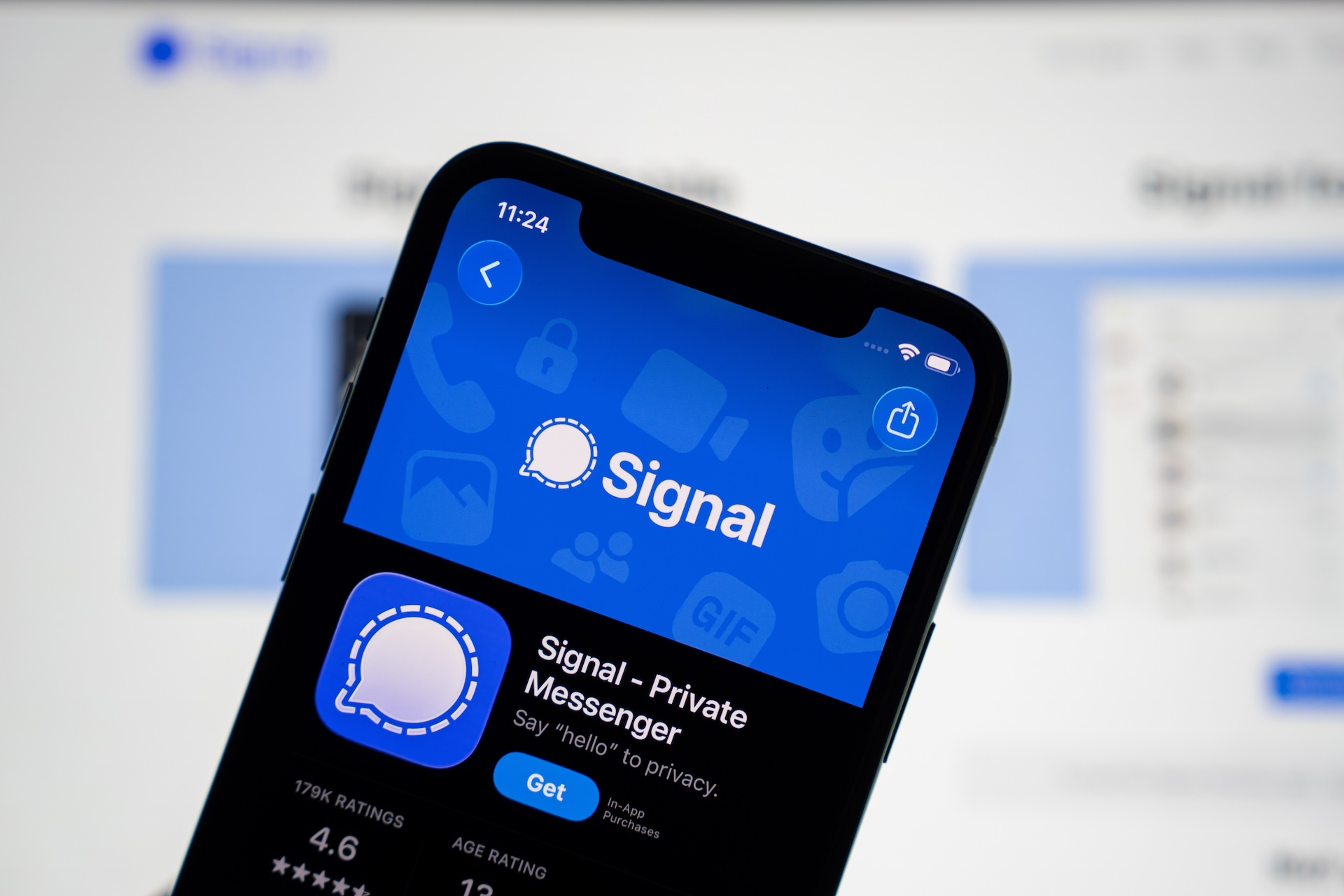
Signal Restricts OS-Level AI Access to Encrypted Conversations
Signal announced Friday that it will block Apple and Google operating systems by default from taking screenshots of user messages within its encrypted messaging app, preventing that data from feeding into the companies' artificial intelligence capabilities. The move extends protections Signal implemented last year against Microsoft Recall in Windows 11, now covering Siri's Onscreen Awareness in iOS and Gemini Intelligence on Android.
Meredith Whitaker Warns of 'Existential Threat' to Privacy Mission
Signal Foundation president Meredith Whitaker described the integration of agentic AI systems into consumer operating systems as an existential threat to Signal and its ability to responsibly uphold its privacy mission. In a statement, Whitaker explained that these OS-level AI agents "scan" information displayed on users' screens, capturing Signal data and making it available to answer queries and perform tasks on behalf of the user.
Right now, these agentic AI integrations are changing this environment in a way that's making it increasingly hostile to privacy. This is an existential threat to Signal, and our ability to responsibly uphold our mission.
Whitaker emphasized that the scanning occurs at the operating system level, bypassing Signal's end-to-end encryption protections because the content is captured after decryption and display on the device screen.
Meta's Muse AI Reportedly Accessed Signal Messages
The announcement follows reports that Meta's AI agent Muse was able to access and read the texts of Signal messages. This revelation underscored the vulnerability of encrypted messaging apps to OS-level AI systems that can observe screen content regardless of the application's own security architecture.
Signal Calls for Developer Opt-Out Tools and Better Documentation
Whitaker criticized major operating system vendors for integrating AI agents recklessly without providing developers adequate tools to block AI data access. Signal is calling on Apple, Google, and Microsoft to provide simple technical mechanisms and accurate documentation that would allow developers to prevent AI agents from accessing sensitive application data.
Specifically, Whitaker outlined two requirements: developers should have a clear way to opt out of AI data access and processing, and operating system vendors should produce better documentation about how AI agents function and interact with application data.
No Immediate Response from Apple, Google, or Microsoft
As of Friday, Apple, Google, and Microsoft had not responded to requests for comment on Signal's announcement or its demands for improved developer controls. The lack of response highlights the tension between platform-level AI integration and application-level privacy guarantees.
Implications for Encrypted Messaging and User Privacy
Signal's decision to block screenshots at the application level represents a defensive measure against a new class of privacy threat: operating system vendors embedding AI systems that can observe and process everything displayed on a user's screen. While end-to-end encryption protects messages in transit and at rest, it cannot prevent the operating system itself from capturing decrypted content once rendered on the display.
The move also raises questions about the future relationship between privacy-focused applications and the platforms they run on. As Apple, Google, and Microsoft deepen AI integration into their operating systems, applications like Signal may face increasing difficulty maintaining their privacy guarantees without cooperation from platform vendors.
Source: CyberScoop