Introduction to the Chatrie Case
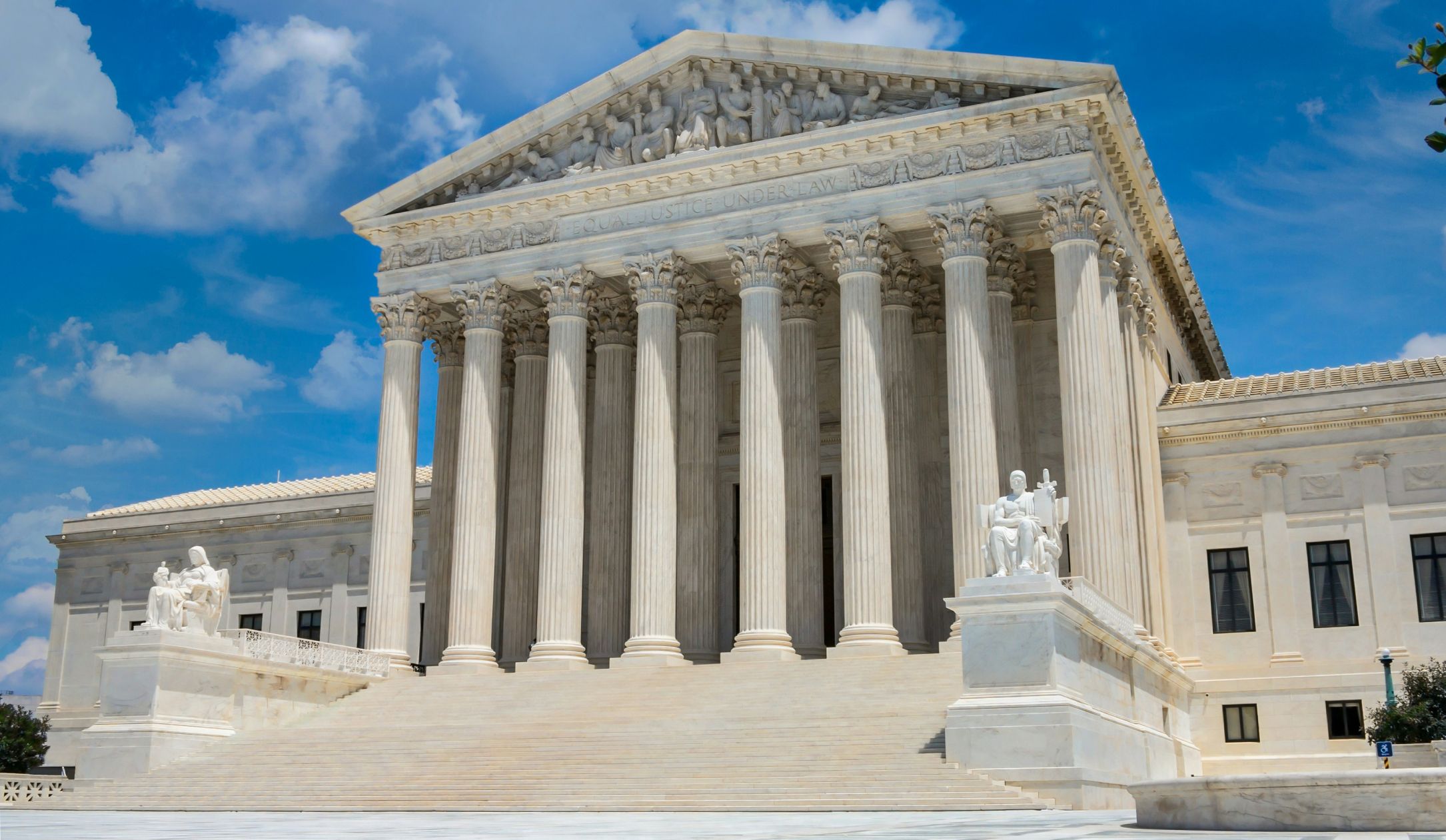
The Supreme Court is currently weighing a case that could significantly impact how law enforcement works with technology firms to identify potential suspects. The case, known as the Chatrie case, involves the use of geofence warrants, which allow law enforcement to obtain location history from tech companies to identify unknown suspects.
Lawyer Adam Unikowsky argued the case on behalf of petitioner Okello Chatrie, who was charged with robbery after law enforcement obtained a geofence warrant directed at Google. Under such warrants, tech companies are asked to provide law enforcement with the location history of people in a certain area.
Implications of the Case
The Chatrie case is the first digital privacy case to hit the Supreme Court since 2018 and could have major implications for other types of police tools that involve large amounts of data. Unikowsky spoke with Recorded Future News about why he believes geofence searches are problematic and how the court's ruling could impact Americans' right to privacy.
Unikowsky argued that the geofence warrant in this case qualifies as a general warrant, which is unconstitutional. He explained that a general warrant allows the police to search everybody for evidence of a crime, even people who aren't suspected of committing a crime.
General Warrants and the Fourth Amendment
A general warrant is a term for a warrant that is not particularized, that doesn't name the place to be searched and the things to be seized. It just allows general authority to the police to rummage through people's possessions. In this case, the police are effectively searching every single person's Google account to figure out who was within the particular area.
Unikowsky argued that the way these searches work is that the police go to Google and tell Google to figure out all the people who were within the geofence, which is a search near the time and place of the crime. Everyone has a Google account that stores their location data in their own account, so there's no way for Google to identify the people who are near the scene of the crime unless they search every single person's account to find location history that's within the geofence.
Potential Consequences of the Court's Ruling
If the court allows geofence warrants, it could extend to other content, like photos, documents, and emails. The government relied on language in Google's privacy policy, saying that Google reserves the right to respond to search warrants, and that Google, in some cases, could disclose user data for public safety purposes.
Unikowsky argued that those privacy policy statements apply to all data stored in Google, not just location history. It applies to email as well and documents and photos and calendar entries, so many of the government's arguments would imply that there's no protection to data in the cloud at all.
Anonymity and Geofence Warrants
The government has said that the millions of people searched remain anonymous, but Unikowsky argued that's somewhat illusory because one's movements within the geofence often function as a kind of fingerprint. He explained that it doesn't matter if they're anonymous — the police still can't look at their possessions.
Unikowsky also argued that anonymity is quite illusory. Their expert witness in this case inferred the actual identity of three of the people within the geofence from their movements over a two-hour stretch based solely on their movements and public records. It’s often very possible for police to take just one or two hours worth of someone's movements, look at them carefully, compare those to public records, and figure out who they are.
Conclusion
The Chatrie case has significant implications for digital privacy and the Fourth Amendment. The court's ruling could impact how law enforcement uses technology to identify suspects and could have major implications for other types of police tools that involve large amounts of data. As Unikowsky argued, the court's ruling could have a dramatic impact on Americans' right to privacy.
Ultimately, the goal is for the court to hold that there was a Fourth Amendment violation. Unikowsky favors a rule under which any geofence warrants would have to be drawn narrowly and not so broadly as to encompass potentially thousands of people.
Source: The Record