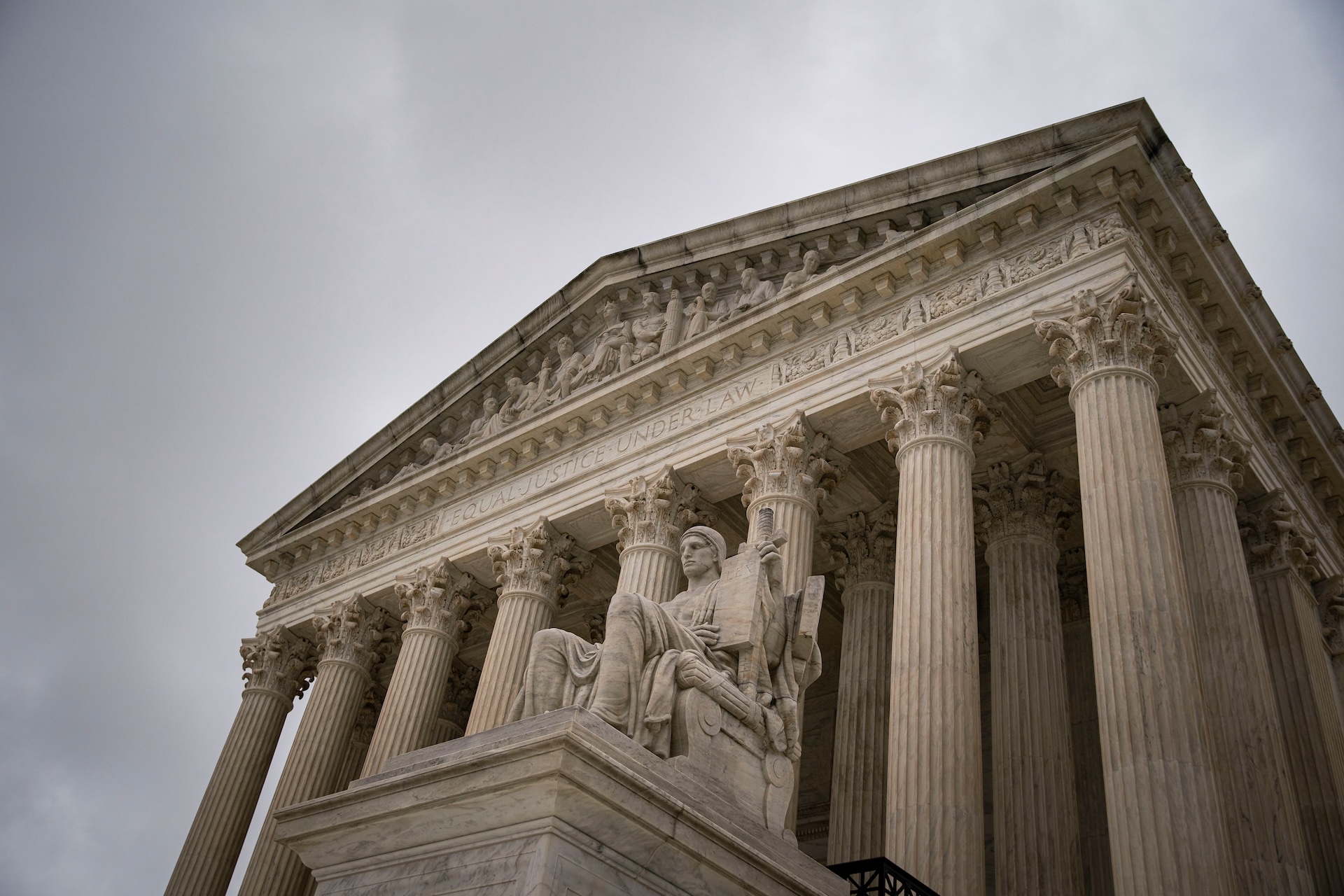
The U.S. Supreme Court issued a ruling on Friday permitting states to utilize the federal SAVE database for verifying voter citizenship, reversing prior lower court decisions that had blocked the practice over concerns about data inaccuracies and potential voter disenfranchisement.
The majority opinion emphasized that the federal government has an obligation to assist state and local election officials in verifying voter citizenship when requested. The Court argued that lower court injunctions hindered federal efforts to support election administration ahead of the midterm elections, stating that 'the equities weigh in favor of a stay' under the circumstances.
Originally developed by the Department of Homeland Security (DHS) to determine eligibility for immigration benefits and track applicants pursuing U.S. citizenship, the SAVE database was repurposed during the Trump administration to screen voters for citizenship status. Critics, including voting rights advocates, have long contended that the system is outdated, prone to errors, and poses a substantial risk of erroneously removing eligible voters from registration rolls.
Organizations such as the League of Women Voters and the Electronic Privacy Information Center (EPIC) filed a lawsuit challenging the use of SAVE data combined with Social Security records, asserting that this practice violates confidentiality provisions in the Social Security Act, the Privacy Act, and the Administrative Procedures Act. They argued that the integration of these datasets without proper safeguards undermines individual privacy rights.
Although the Supreme Court’s decision permits states to use the database, widespread adoption remains uncertain. Some conservative states have previously employed SAVE for voter roll maintenance, claiming it has improved accuracy. However, many states have resisted federal efforts to expand citizenship verification systems or shift control of voter registration away from state authorities. The Trump administration had previously lost 23 federal court cases attempting to compel states to share additional data for such purposes.
Election experts suggest the ruling’s impact on the 2026 elections may be limited due to existing federal laws that prohibit states from altering voter registration procedures within 90 days of an election. David Becker, executive director of the Center for Election Innovation and Research, noted that while SAVE is presented as a voluntary tool to help maintain accurate voter lists, DHS itself acknowledges the data is imperfect and that evidence indicates significant flaws in the system.
The decision was not unanimous. Justices Ketanji Brown Jackson, Sonia Sotomayor, and Elena Kagan dissented, criticizing the Court for granting a stay without full briefing or oral argument. They argued that the majority overturned lower court rulings on two statutory provisions it had never previously interpreted, calling into question the legitimacy of the interim decision.
In their dissent, the justices highlighted procedural shortcomings, pointing out that DHS never issued a legally mandated System of Records Notice (SORN) for the SAVE database outlining the privacy implications of its expanded use, nor did the agency conduct a public comment period before announcing in May 2025 that the database was ready for voter citizenship screening.
The administration had relied on the Illegal Immigration Reform and Immigrant Responsibility Act (IIRIRA) to justify merging DHS and Social Security data for citizenship verification—a rationale rejected by lower courts. The dissenting justices contended that the Supreme Court majority effectively treated IIRIRA as overriding privacy protections without sufficient deliberation, dismissing the legal reasoning as a 'back-of-the-napkin assessment' that implausibly disregards established privacy safeguards.
Source: CyberScoop