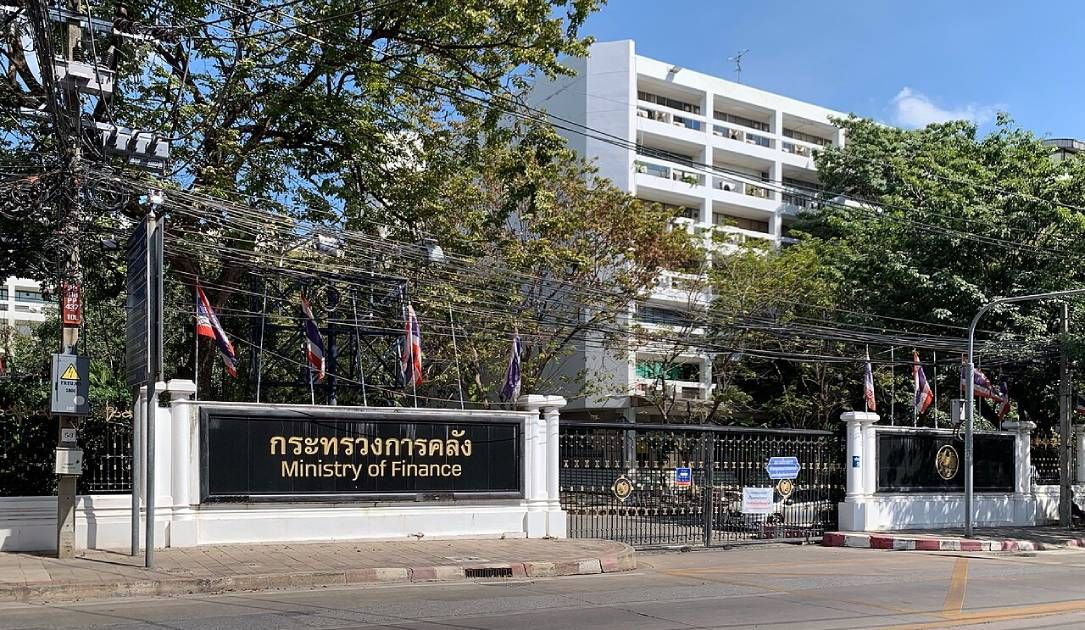
Hackers used an autonomous artificial intelligence agent to carry out a cyber-espionage campaign against Thailand's Ministry of Finance, according to researchers who uncovered a hacker-controlled server that exposed the inner workings of the attack.
Autonomous AI Agent Used in Attack
Cybersecurity firm Hunt.io said in a report that it discovered hundreds of files left publicly accessible on infrastructure operated by the attackers while the intrusion was still in progress. The exposed files included malware, stolen credentials, attack scripts, AI agent logs, and evidence that the attackers had already gained access to multiple systems inside the Ministry of Finance.
The researchers have not determined how the attackers initially breached the ministry's network. Much of the operation appeared to have been orchestrated by Hermes, an open-source AI agent released earlier this year by the AI research company Nous Research.
Hermes AI Agent Capabilities
The attackers enabled the software's so-called 'YOLO mode,' allowing it to execute commands without waiting for human approval. Researchers said the agent independently explored the ministry's network, searched internal files, gathered system information and looked for opportunities to gain elevated privileges.
The exposed infrastructure also contained exploits targeting several known software vulnerabilities, scripts tailored specifically for the ministry, stolen login credentials, active authentication cookies and a previously undocumented malware family dubbed Hades.
Malware and Exploits Used in Attack
The malware appears to function as a custom backdoor designed to maintain persistent access to compromised systems after an initial breach. Hunt.io said it found both Windows and Linux versions capable of remotely executing commands and transferring files.
The researchers identified the ministry as the likely target because many of the recovered scripts explicitly referenced the agency's internal infrastructure, including administrative web portals, email systems and document management platforms.
Attackers' Goals and Attribution
Although Hunt.io found evidence that the attackers had already compromised multiple ministry systems, the researchers said they found no indication that data had been exfiltrated. Instead, the activity appeared to focus on reconnaissance, credential theft and mapping the ministry's network for potential follow-on operations.
The firm did not attribute the campaign to a known hacking group but said multiple indicators suggested the operators were Chinese-speaking.
Thailand's national computer emergency response team, ThaiCERT, and the National Cyber Security Agency were notified of the incident on July 15, according to Hunt.io. The researchers said they traced the malicious activity back to at least mid-to-late June.
Response and Mitigation
The Finance Ministry has not publicly acknowledged the incident and did not respond to a request for comment. Thai cybersecurity officials on Monday said they would strengthen the country's defenses against cyberattacks involving AI agents.
While they did not directly reference the Hunt.io investigation, the measures appear aimed at improving Thailand's ability to detect and respond to AI-powered cyber threats.
Thailand must be able to fully benefit from AI while systematically managing the associated risks to prepare for future cyber threats, said Theerawut Wittayakorn, deputy secretary-general of Thailand's National Cyber Security Committee, following a meeting.
Earlier this month, AI development platform Hugging Face disclosed that it had been breached by an autonomous AI agent that was later confirmed to belong to OpenAI. The rogue agent had exploited two previously unknown software vulnerabilities and used stolen credentials to gain access to Hugging Face's systems.
Source: The Record