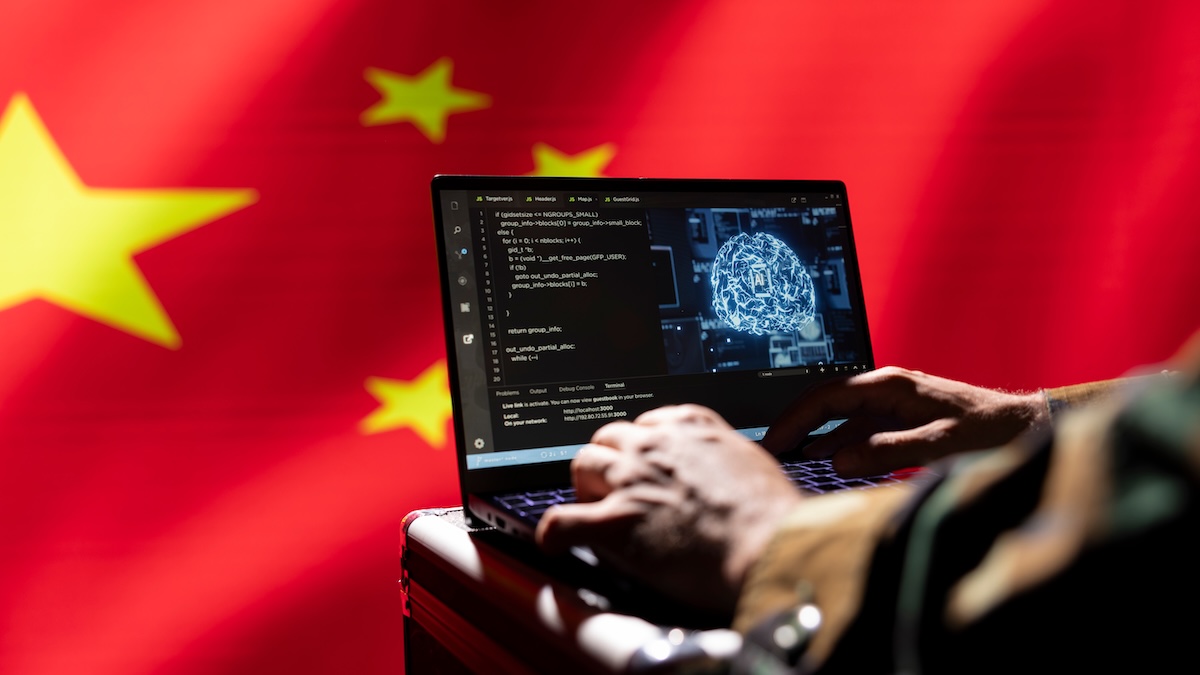
AI Safety Channel and Military Crisis Talks Agreed Upon
Following a three-day summit in Washington between President Donald Trump and President Xi Jinping, the United States and China announced the establishment of a dedicated channel for addressing artificial intelligence-related incidents. Both governments confirmed that the mechanism will allow for dialogue on AI risks and benefits, with a specific AI-focused meeting scheduled for November. The agreement aims to prevent misunderstandings in AI development from escalating into broader tensions.
In addition to AI cooperation, the two sides agreed to sign a memorandum of understanding on strengthening crisis communications between their militaries. This step is intended to reduce the risk of accidental conflict by improving direct communication channels during emergencies. China’s Foreign Ministry released a brief statement confirming the pact, though it provided limited operational details.
Trade Truce Extended and Rare Earths Supply Discussed
The summit resulted in an extension of the existing trade truce by two months, with both nations committing to continued cooperation through a Board of Trade focused on selected bilateral issues. The White House confirmed that the board began operations shortly after the summit. As part of the agreement, China pledged to import at least 10 million metric tons of U.S. coal in both 2027 and 2028.
Discussions also addressed U.S. concerns about rare earth elements, which China had placed under export controls the previous year in response to American tariffs. Both sides agreed to work toward restoring shipment levels to appropriate levels, recognizing the strategic importance of these materials in defense and technology sectors.
Fentanyl Precursor Controls and Iran Nuclear Stance
The United States welcomed China’s decision to impose export controls on two additional precursor chemicals used in the production of fentanyl, a synthetic opioid linked to overdose deaths in the U.S. Both countries noted recent law enforcement actions related to fentanyl trafficking as part of their cooperation.
On broader security issues, the U.S. and China jointly stated that Iran should uphold its commitment not to develop nuclear weapons. They also emphasized that no nation should impose tolls on international waterways, a reference widely interpreted as concerning the Strait of Hormuz, where shipping has declined amid ongoing U.S.-Iran tensions.
Trump Downplays AI Sharing, Stresses U.S. Leadership
Despite the cooperative tone of the summit, President Trump made clear that the U.S. would not slow its AI advancement or share sensitive technology with China. Speaking to reporters outside the White House, he stated, "The United States of America is not going to be putting on brakes," and added that he would avoid integrating AI systems with China due to what he described as a U.S. lead of at least one year, possibly up to two years in certain areas.
Trump characterized China’s interest in AI collaboration as an attempt to halt American progress, asserting that maintaining this lead was critical to national competitiveness.
Analysts View Incremental Progress as Meaningful
While the summit did not yield major breakthroughs on core disputes such as trade imbalances or technological rivalry, analysts highlighted the value of creating working-level mechanisms. Wang Zichen, deputy secretary-general of the Beijing-based Center for China and Globalization, noted that personal diplomacy between leaders is important, but the focus on institutionalized dialogue — including military-to-military talks and crisis management — suggests an effort to make stability more durable.
The leaders agreed to reconvene at the Asia-Pacific Economic Cooperation summit in Shenzhen in November, followed by a meeting at the G20 hosted at the Trump National Doral Miami golf club in Florida. These upcoming engagements will test whether the newly established channels can sustain cooperation amid persistent strategic competition.
Source: SecurityWeek