US Military Expands AI Capabilities with 7 Tech Companies
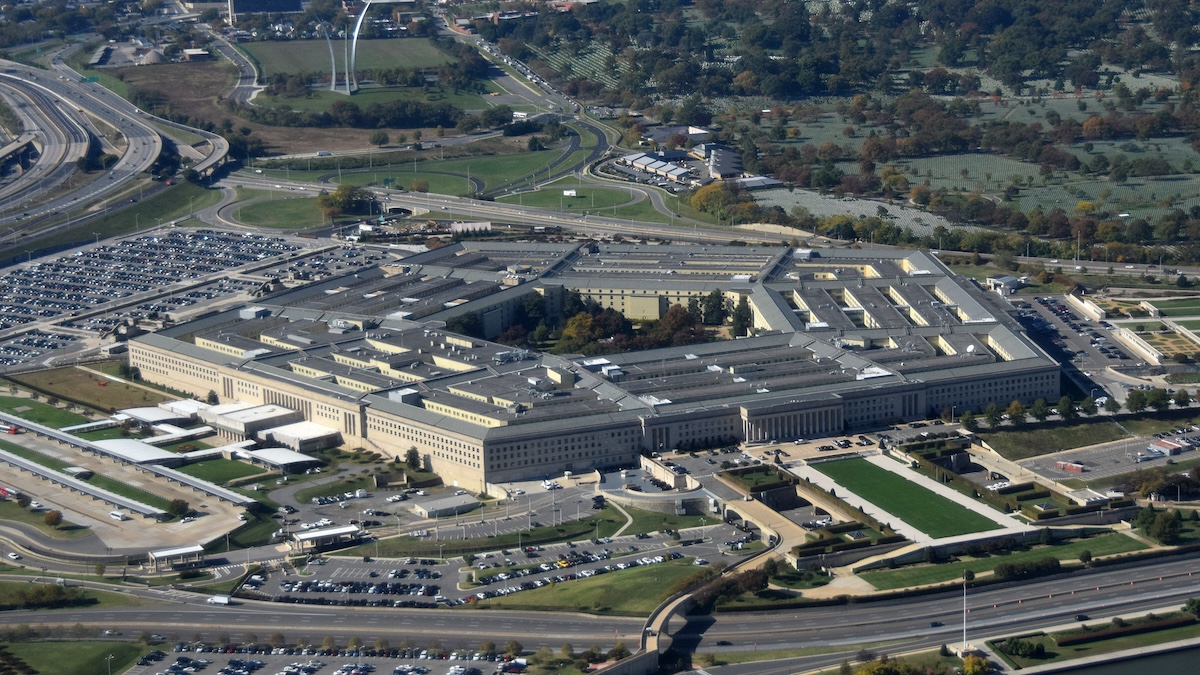
The Pentagon has announced that it has reached agreements with seven tech companies to utilize their artificial intelligence (AI) in its classified computer networks. The companies, including Google, Microsoft, Amazon Web Services, Nvidia, OpenAI, Reflection, and SpaceX, will provide their AI resources to help enhance warfighter decision-making in complex operational environments.
Background and Context
The Defense Department has been rapidly accelerating its use of AI in recent years, with the technology helping to reduce the time it takes to identify and strike targets on the battlefield, as well as aiding in the organization of weapons maintenance and supply lines. However, the use of AI in military operations has also raised concerns about the potential invasion of Americans' privacy and the possibility of machines choosing targets on the battlefield.
A report from the Brennan Center for Justice in March highlighted the potential benefits and risks of AI in military operations. The report noted that AI can help the military to make more informed decisions, but also raised concerns about the need for human oversight and the potential for AI to be used in ways that are inconsistent with constitutional rights and civil liberties.
Company Agreements and Assurances
One of the companies contracting with the Pentagon, OpenAI, confirmed that its agreement with the military includes language that requires human oversight over any missions in which AI systems act autonomously or semiautonomously. The agreement also states that AI tools must be used in ways that are consistent with constitutional rights and civil liberties.
Emil Michael, the Pentagon's chief technology officer, stated that the military would have been irresponsible to rely on only one company, acknowledging the friction with AI company Anthropic. Anthropic had previously raised concerns about the ethics and safety of AI usage in war and had sued the Trump administration over the issue.
Benefits and Risks of AI in Military Operations
Helen Toner, interim executive director at Georgetown University's Center for Security and Emerging Technology, noted that AI systems can be helpful in summarizing information and identifying potential targets, but raised concerns about the need for human involvement and the potential for over-reliance on the technology. Toner stated that people should not become overly dependent on AI and that there is a phenomenon called automation bias, where people can be prone to assume that machines work better than they actually do.
The Pentagon's latest contracts come at a time of anxiety about the potential for over-reliance on AI on the battlefield. The military is already using AI capabilities through its official platform, GenAI.mil, with warfighters, civilians, and contractors putting these capabilities to practical use. The Pentagon stated that its growing AI capabilities will give warfighters the tools they need to act with confidence and safeguard the nation against any threat.
Conclusion
The US military's partnership with 7 tech companies to use AI in classified systems marks a significant expansion of its AI capabilities. While the use of AI in military operations raises concerns about privacy and the potential for machines to choose targets, the technology also has the potential to enhance warfighter decision-making and improve the efficiency of military operations. As the military continues to develop and deploy AI systems, it will be important to ensure that the technology is used in ways that are consistent with constitutional rights and civil liberties.
Source: SecurityWeek