Telecom Attacks: A Known Threat
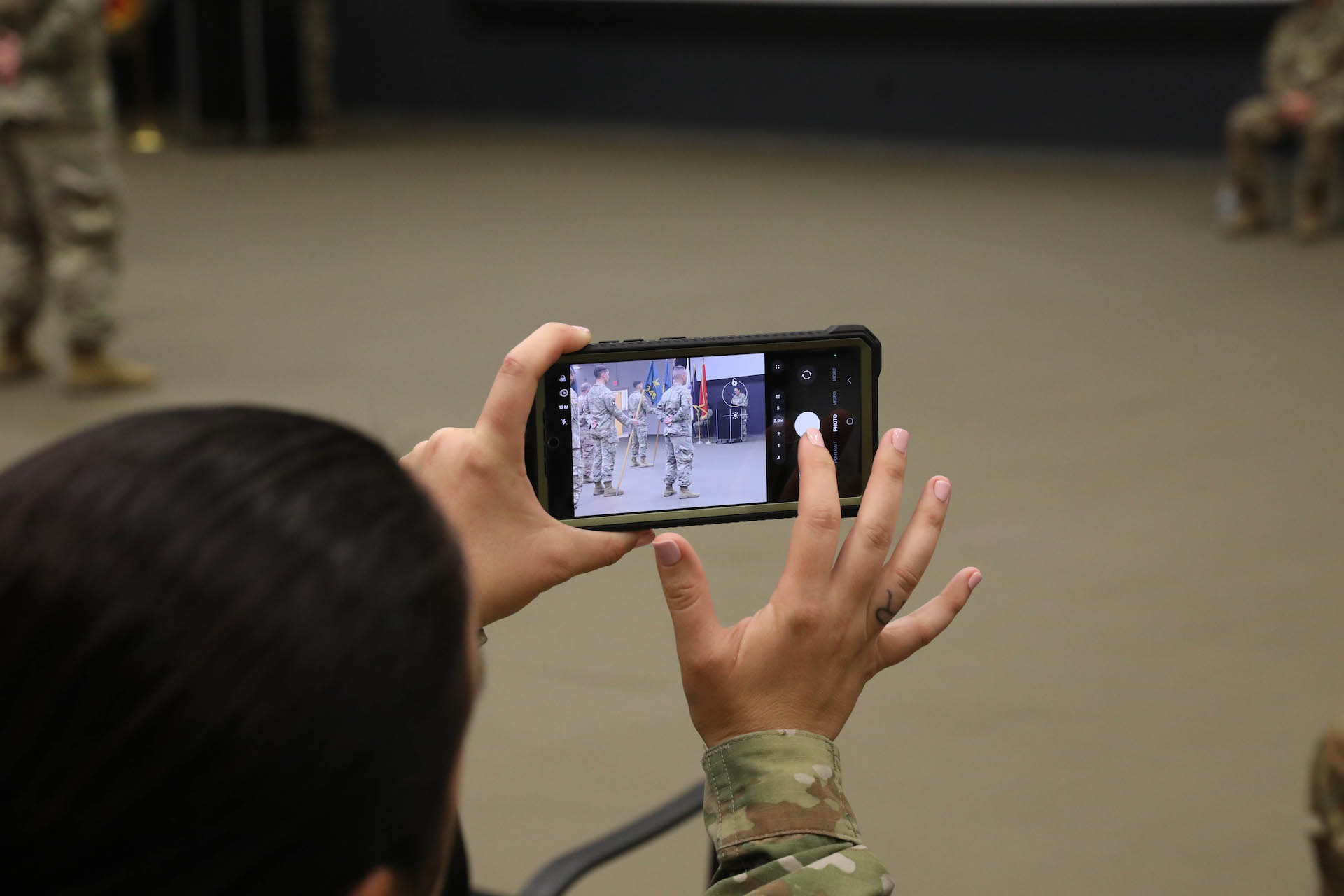
The recent revelation that Iran is targeting US military personnel via their smartphones should not come as a surprise. The use of cell phones in warfare has been a longstanding issue, with both Ukrainian and Russian soldiers being killed when their phones revealed their location. Despite this, US servicemembers in the Middle East will likely continue to use their cell phones, just like their counterparts in Europe.
As a former Army Special Forces communications sergeant, the author recalls carrying over 100 pounds of radio equipment, but also relying on a cell phone for communication. The ubiquity and reliability of commercial cellular networks have made them an integral part of modern life, including warfare.
Modern Warfare and Cellular Networks
Moscow's experience with Ukraine's use of drones to blow up military aircraft using Russia's own cellular networks highlights the vulnerability of these systems. The fact that Russia cannot permanently shut down its cellular network, just like the US cannot get its soldiers to stop using cell phones, underscores the need for improved security measures.
Iran's telecom attacks, which use SS7 signaling attacks, are not new or inventive. The knowledge of these attacks has existed for decades, and members of Congress have repeatedly sounded the alarm. In 2024, a Cybersecurity and Infrastructure Security Agency official reported that numerous successful attempts had stolen location data, monitored voice and text messages, delivered spyware, and influenced American voters from abroad via text messages.
Signaling Attacks and Telecom Network Vulnerabilities
Signaling attacks leverage the machine-to-machine messages that telecom networks use to check billing, verify location, and route calls, messages, or web traffic. These attacks can track a target's location in real-time, intercept calls and texts, use fake phone numbers, and deny service. The fact that an attacker with access to the global signaling backbone can send messages that carriers worldwide treat as trustworthy makes these attacks especially dangerous.
For deployed service members, this means that adversaries can quickly analyze their daily patterns and any changes to them, without installing malware or sending phishing links. The solution to this problem requires not individual action, but industry, lawmakers, and the Pentagon to work together to address these vulnerabilities.
Solutions to Telecom Network Vulnerabilities
The global telecom industry should tighten control over network access leased to poorly vetted third parties. Standards bodies should require transparency and safeguards for commercial leases to stop surveillance operators from acquiring legitimate credentials. Regulators should act fast to end agreements when they find bad behavior.
Congress and regulators should press major carriers to strengthen their defenses. Carriers should publish security audits, report on their firewalls, and undergo yearly penetration tests. The Department of Defense should equip servicemembers with more secure cellular service, using innovative technologies to address this vulnerability.
The age of connected warfare with technically skilled adversaries like Iran, Russia, and China makes telecom infrastructure vulnerabilities a matter of life and death. It is time for industry, Congress, and the Pentagon to fix this problem, which has been known for decades.
Source: CyberScoop