Introduction to Agentic GRC
Every vendor is talking about agentic AI, but few can explain what it means for GRC. As a former red and purple team operator, Maril Vernon explains that agentic AI is about to reshape how GRC operates.
Agentic AI is not just a buzzword, but a way to treat GRC like a fluid system, rather than a filing cabinet. It's about using AI to help analysts identify evidence gaps, trace control drift, and provide reasoning, summarization, and orchestration.
What is Agentic?
Agentic AI is different from traditional automation in three ways: autonomy, context, and execution of multiple steps. It acts when a condition is met, works against the actual state of the program, and analyzes, decides, and acts in sequence.
The systems we are governing have already gone agentic, with cloud, identity, infrastructure, and AI being elastic, fluid, and non-deterministic. Attackers have figured this out, but many compliance programs are still trying to govern real-time systems with point-in-time assumptions.
Key Characteristics of Agentic GRC
- Autonomy: acts when a condition is met
- Context: works against the actual state of the program
- Execution of multiple steps: analyzes, decides, and acts in sequence
Building Your First GRC Agent
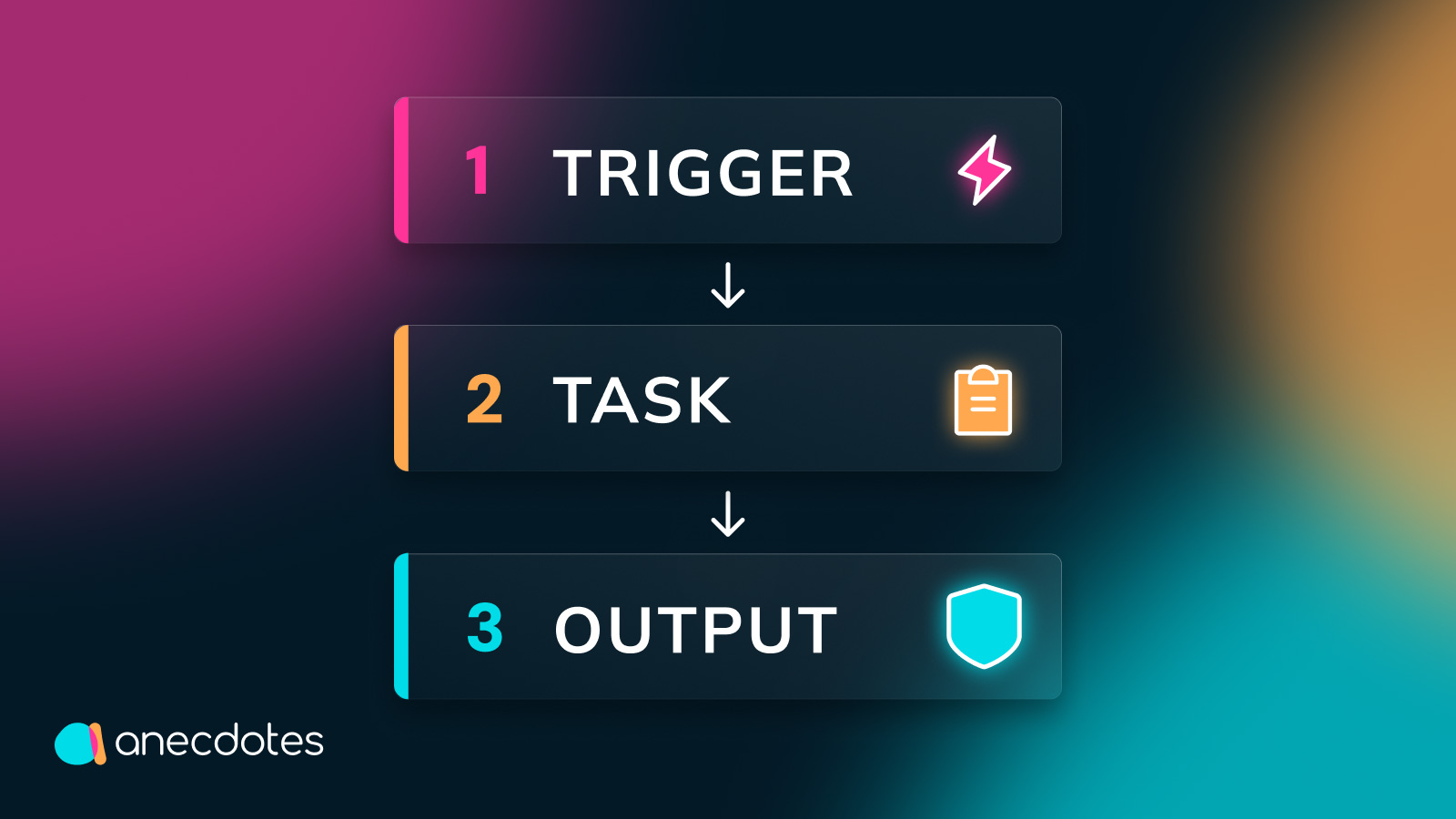
Building a GRC agent comes down to three decisions: pick a trigger, describe the work in plain English, and deploy. Agent Studio is a no-code builder for custom GRC agents that allows you to pick a trigger, describe the task, and deploy with a full audit trail.
For example, you can build an agent to monitor ISO 27001:2022 control A.8.5, secure authentication. The agent can query the identity provider for the current MFA enforcement policy, compare it against the organization's required MFA baseline, and open a finding and assign a remediation task to the control owner if any group has fallen out of enforcement.
Three Things That Actually Change
- The analyst's job shifts from collecting to managing
- Compliance moves from periodic to continuous
- Trust becomes the bottleneck
The Part Security People Will Push On
Security people will push on the idea of handing compliance decisions to a black box. However, agentic GRC is defensible because the work is observable. A useful execution log captures the trigger that fired, the exact inputs the agent read, the rule or baseline it evaluated against, the decision it reached and why, the action it took, and the evidence it touched; all timestamped.
Two scoping rules keep it safe: give the agent least privilege and gate anything consequential behind a person. Plan for the agent being wrong, because a non-deterministic model sometimes will be. If it opens a finding on A.8.5 that turns out to be a false positive, the log shows exactly what it read and concluded, so you can fix the instruction instead of guessing.
Where to Start
Don't start with your highest-stakes control. Start with the task that is high-toil and low-judgment, the one your team does the same way every week and hates. Prove the pattern there, read the logs, build the trust, then expand.
If you want to go deeper on this, it's the whole agenda at the GRC Data & AI Summit 2026 on August 12, a free virtual event where security, risk, and compliance leaders work through what being agent-ready actually requires.
Build the boring one first. Then tell me what changed. - Maril Vernon
Maril Vernon is a former red and purple team operator and the Principal GRC Engineering Evangelist at Anecdotes. She writes and speaks on GRC Engineering, continuous controls monitoring, and pushing compliance into the same decade as the systems it governs.
Source: BleepingComputer