White House Prepares Further Executive Action on Cybersecurity
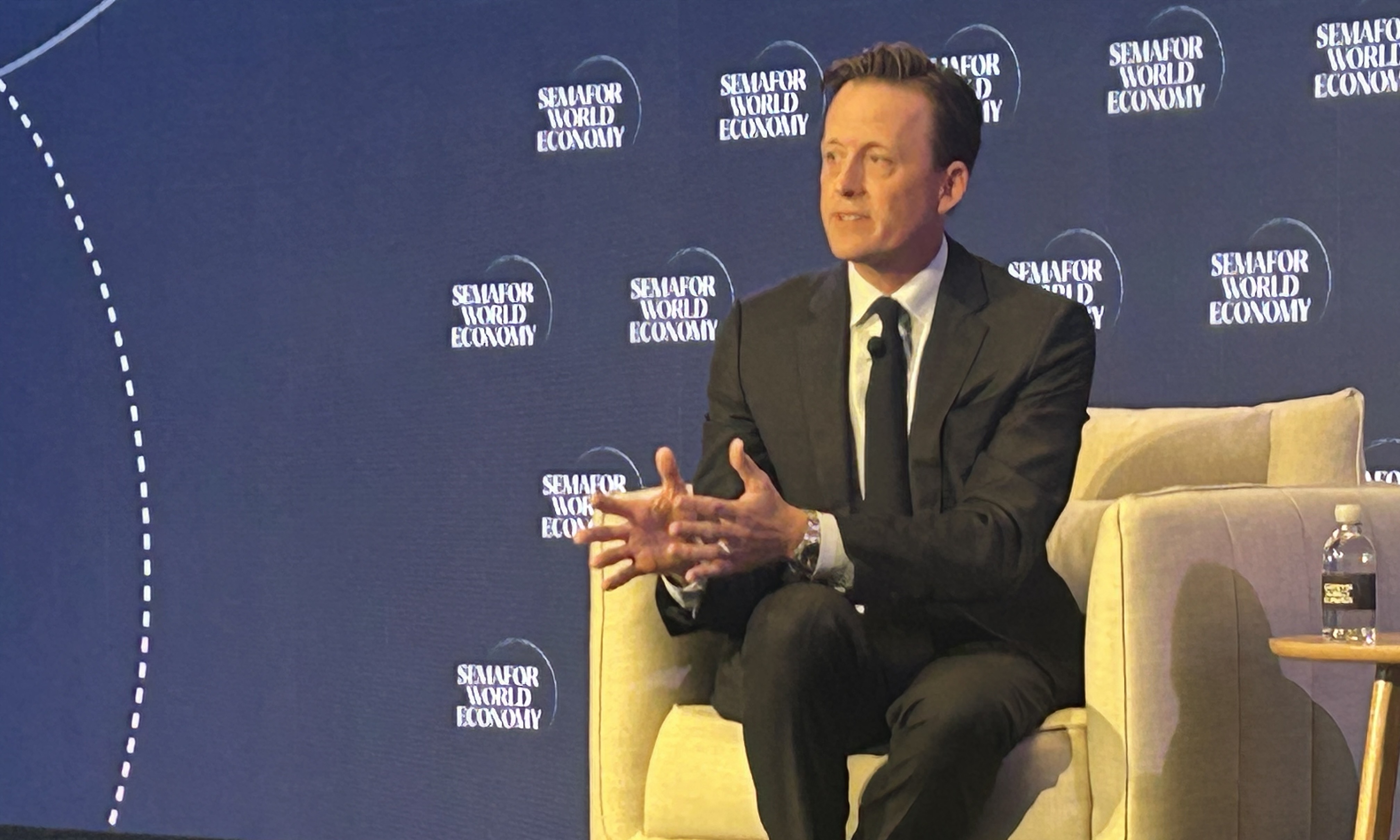
National Cyber Director Sean Cairncross told attendees at a Semafor event on Wednesday that the White House is preparing additional executive orders as part of executing the administration's national cybersecurity strategy. The strategy itself was published on March 6, and lawmakers on Capitol Hill as well as cybersecurity professionals have been waiting for implementation guidance the Trump administration had previously indicated would follow.
When asked directly whether the rollout would include executive orders, Cairncross was straightforward: "I think that that's the case." He declined to offer a detailed preview of what specific actions are coming but indicated they would arrive "relatively soon."
"This is rolling forward actively, and you should expect that there will be more execution and action in line with our strategic goals," Cairncross said.
Early Steps Already Taken
The administration did not wait long before pairing policy with action. On the same day it released the cyber strategy — March 6 — the White House also issued an executive order focused on fraud, portions of which addressed cybercrime. Cairncross pointed to that order as an example of early implementation activity already underway.
He also cited another recent milestone that he said aligns with the broader strategy: the first-ever conviction under the Take It Down Act. That law, championed by First Lady Melania Trump, targets non-consensual AI-generated sexually explicit images, violent threats, and cyberstalking. The conviction came last week and, according to Cairncross, represents the kind of concrete enforcement action that the strategy envisions.
Confronting Adversaries: China and Critical Infrastructure
A central pillar of the administration's cyber strategy involves holding adversaries accountable for attacks against U.S. targets. When asked whether President Trump plans to raise the issue of Chinese hacking during his upcoming visit to Beijing next month, Cairncross stopped short of confirming it explicitly.
"When we start to see things like prepositioning on critical infrastructure, that is something that needs to be addressed," he said.
Pressed further on whether cybersecurity would formally appear on the agenda for the Beijing visit, Cairncross responded: "I would expect that the safety and security of the American people will be first and foremost, as it always is for the president."
The reference to adversary prepositioning on critical infrastructure is notable given ongoing concerns about state-sponsored actors — particularly those linked to China and Russia — embedding themselves within U.S. networks in ways that could be activated during a future conflict.
Artificial Intelligence: Balancing Risk and Capability
Cairncross also turned attention to the role of artificial intelligence in shaping the cybersecurity landscape, using Anthropic's Claude Mythos as a focal point. He expressed pride that such a model was developed in the United States rather than by adversarial nations like China or Russia, framing American technological ingenuity as a strategic asset.
He acknowledged that the administration has been holding internal meetings to assess the cyber risks and benefits associated with AI models like Mythos — which he described as "the model right now that everyone's talking about." The administration, he said, is working to strike a balance between the dangers AI poses in cyberspace and its positive potential.
"I would say from the White House perspective, we are working very closely with industry," Cairncross said. "We've been in close collaboration with the model companies across the interagency to make sure that we are evaluating and doing this."
What Comes Next
While Cairncross kept specifics close to the chest, the overall message from the Semafor appearance was one of forward momentum. The administration appears to be building out its cybersecurity posture across multiple fronts simultaneously:
- Legislative enforcement through statutes like the Take It Down Act
- Executive orders pairing directly with the published strategy
- Interagency collaboration with AI and technology companies
- Diplomatic signaling to adversaries regarding consequences for cyber intrusions
Capitol Hill staffers and industry observers who have been watching for concrete implementation steps following the March 6 strategy release now have a clearer, if still somewhat vague, signal that additional executive action is imminent. Whether those orders will directly address specific threat actors, critical infrastructure protections, or AI governance standards remains to be seen.
Source: CyberScoop